
Land and new homes in St Austell
Land to Homes is a land and new-homes business covering St Austell. We can buy suitable land directly, fund the planning on promotion and option deals, and deliver homes for sale, rent and affordable housing. Every land enquiry starts with a free, no-obligation appraisal.
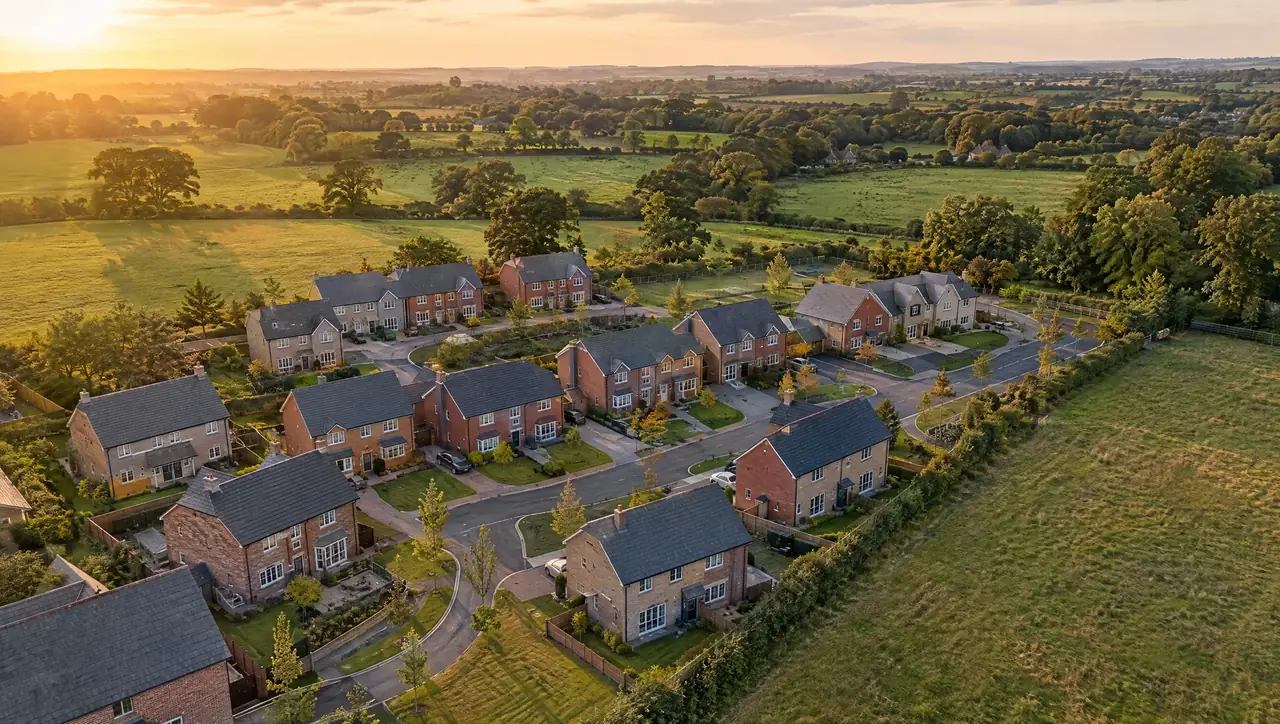 St Austell · PL25
Free site appraisal
Tell us about your land and we will call you back. No cost, no obligation.
Prefer to talk? Call 0800 088 6248.
- Free site appraisalNo cost, no obligation
- Legal fees coveredReasonable fees, on options and promotion
- Nothing to pay upfrontOn promotion: we fund planning
- Direct purchaseSuitable sites, with or without planning
- UK-wideEngland, Wales, Scotland and NI
Our coverage in St Austell
We cover St Austell as part of Cornwall. It is about 13 miles north-east of Truro, around postcode district PL25. Bodmin is the closest neighbouring place we cover, at about 9 miles, followed by Truro and Newquay. St Austell is part of England’s South West region.
Sites worth a conversation around St Austell: brownfield land in and around St Austell, large and long rear gardens and land that already has planning permission. As St Austell is in England, applications are judged against the National Planning Policy Framework, and the buyer of land pays Stamp Duty Land Tax (SDLT).
Tell us where your land is around St Austell and we will explain the routes open to you.
Services in St Austell
For landowners
- Sell Land for Development in St Austell
- Sell Land with Planning Permission in St Austell
- Sell Land Without Planning in St Austell
- Land Option Agreements in St Austell
- Land Promotion Agreements in St Austell
- Landowner Joint Ventures in St Austell
- Sell Garden Land and Backland in St Austell
- Sell Farmland and Paddocks in St Austell
- Sell Brownfield Land in St Austell
- Sell an Infill Plot in St Austell
- Land Assembly and Access in St Austell
- Free Site Appraisal in St Austell
- Sell a Building for Conversion in St Austell
Planning, design and build
- Planning Permission and Strategy in St Austell
- Architecture and Masterplanning in St Austell
- New Home Construction in St Austell
- Serviced Plots for Self-Build in St Austell
New homes and housing
- New-Build Homes for Sale in St Austell
- New Homes to Rent in St Austell
- Affordable Housing in St Austell
- Social Housing in St Austell
- Council and Housing Partnerships in St Austell
Funders and partners
Planning in St Austell: the English rules
Whether a field or large garden could take homes depends mostly on the council's Local Plan and national policy. Under the National Planning Policy Framework, plans define settlement boundaries, and land just outside St Austell may still come forward if it is allocated, previously developed or meets evidenced unmet housing need. Smaller housing schemes can also use Permission in Principle, an England-only route that settles location, use and amount first. Our free appraisal explains which route suits your land.
Buying a new-build home in St Austell follows the usual English process: an offer, conveyancing, exchange of contracts, which makes the purchase binding, and completion. Many buyers arrange a snagging inspection to find defects. New homes are usually covered by a structural warranty, and developers registered under the New Homes Quality Code give buyers access to the New Homes Ombudsman Service. We have no homes on sale yet, so register your interest to hear about future homes.
| National planning policy | National Planning Policy Framework (NPPF), revised August 2026, with national planning practice guidance |
|---|---|
| Local planning document | Local Plan |
| Who decides applications | The local planning authority, usually the district, borough, city or unitary council (or a national park authority) |
| In-principle consent | Outline planning permission, with reserved matters approved later |
| Land registration | HM Land Registry |
Common questions in St Austell
What is biodiversity net gain?
Biodiversity net gain is a requirement in England for most new developments to leave natural habitat in a measurably better state than before, assessed using a statutory metric. It can be delivered on site, off site or, as a last resort, through statutory credits. It affects how much land a scheme needs. Wales, Scotland and Northern Ireland have their own biodiversity policies.
What are the New Homes Quality Code and New Homes Ombudsman?
The New Homes Quality Code is a code of practice for developers registered with the New Homes Quality Board, covering how homes are marketed, reserved, sold and handed over, and after-sales care. Buyers of homes from registered developers can usually take unresolved complaints to the New Homes Ombudsman Service. The framework currently covers England, Scotland and Wales.
Who decides who gets an affordable or social home?
Councils and housing associations, not developers. They set eligibility, usually based on income, housing need and sometimes a local connection, and allocate homes through their own lists or sales processes. In Northern Ireland, social homes are allocated through the Northern Ireland Housing Executive's common waiting list. Land to Homes does not allocate homes.
What is a local development plan and why does it matter?
The development plan sets out where new homes and other development should go, and it is the starting point for planning decisions. In England it is usually called the Local Plan; Wales, Scotland and Northern Ireland have Local Development Plans. Land allocated for housing, or next to a settlement where policy supports growth, usually has stronger prospects.
Do you buy land in St Austell?
Yes. Land to Homes looks at land in St Austell and elsewhere in Cornwall, including Truro, Bodmin and Launceston. Every enquiry starts with a free site appraisal, and on option and promotion agreements we pay your reasonable legal fees.