
Landowner Joint Ventures in St Austell
If you own land in St Austell and want more than a land price, a joint venture lets you stay involved in what gets built. The structure might be a contract, a joint venture company or a partnership. Each has different implications for control, risk, tax and funding, so independent legal and tax advice is essential before you commit.
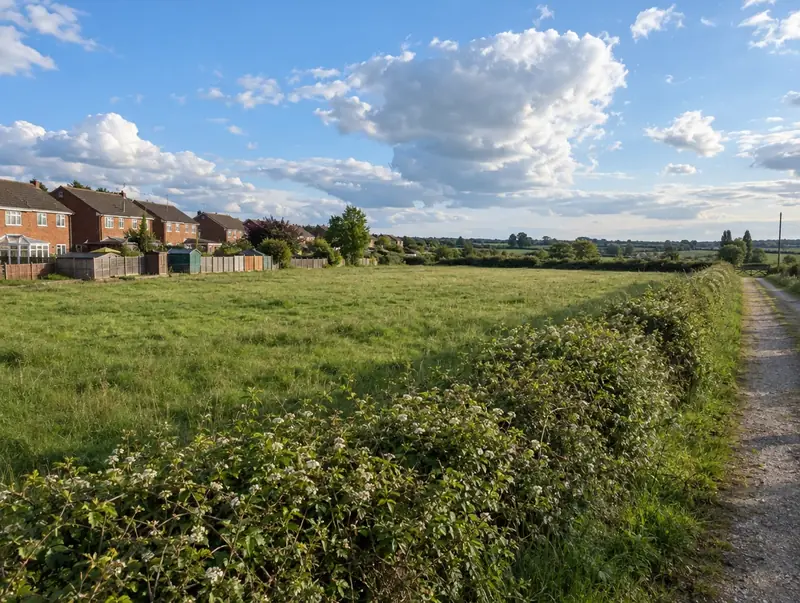 St Austell · PL25
Free site appraisal
Tell us about your land and we will call you back. No cost, no obligation.
Prefer to talk? Call 0800 088 6248.
- Free site appraisalNo cost, no obligation
- Legal fees coveredReasonable fees, on options and promotion
- Nothing to pay upfrontOn promotion: we fund planning
- Direct purchaseSuitable sites, with or without planning
- UK-wideEngland, Wales, Scotland and NI
Selling land around St Austell
In Cornwall, St Austell lies about 13 miles north-east of Truro; its central postcode district is PL25. Nearby, we also cover Bodmin, Truro and Newquay, all within 14 miles. Within England, St Austell falls in the South West region.
Typical sites we review near St Austell include paddocks on the edge of St Austell, infill gaps along existing streets and small holdings and pony paddocks. Because St Austell is in England, land titles are registered with HM Land Registry and transfers attract Stamp Duty Land Tax (SDLT).
If you own land near St Austell, the first step is a free, no-obligation appraisal.
What we offer in St Austell
Advice before commitment
Joint ventures carry real commercial risk. We always recommend independent legal, tax and valuation advice, and we will say plainly if a straight sale or an option looks like a better fit for you.
Sale or rent agreed together
Homes can be built for sale, for rent, or as affordable housing with a council or housing association. The mix affects risk and when money comes back, so it is agreed before work starts.
Choice of structure
A joint venture can be purely contractual, a joint venture company or a limited liability partnership. Each handles control, liability, tax and exit differently, and your own advisers should help you choose.
Decisions and deadlock
The agreement should say who decides on design, pricing, contractors and programme, which matters need both parties' consent, and how any disagreement is resolved without stalling the project.
Rules that apply in St Austell
If your land near St Austell lies in the Green Belt, national policy still protects it, but England's planning framework now recognises grey belt: Green Belt land that is previously developed or does not strongly contribute to certain Green Belt purposes. Where there is evidenced unmet need and the location is sustainable, grey belt housing can be acceptable, with major schemes meeting the Golden Rules on affordable housing, infrastructure and green space. Planning is never guaranteed, so we check policy, access and constraints first.
In England, a joint venture scheme still has to meet the Local Plan, the NPPF and, where it applies, biodiversity net gain. Affordable housing is usually secured through a Section 106 agreement, which affects cash flow. If land is transferred into a joint venture company, Stamp Duty Land Tax can arise, and the transfer is registered at HM Land Registry.
| Who decides applications | The local planning authority, usually the district, borough, city or unitary council (or a national park authority) |
|---|---|
| In-principle consent | Outline planning permission, with reserved matters approved later |
| Land transaction tax (paid by the buyer) | Stamp Duty Land Tax (SDLT) |
| Land registration | HM Land Registry |
Questions about Landowner Joint Ventures in St Austell
Do I have to put money into a joint venture?
Not always. In many landowner joint ventures the land is the landowner's whole contribution, while the developer arranges the rest of the funding. Some structures ask both parties to contribute cash. The agreement should state clearly whether any further contribution could ever be required from you, and in what circumstances.
What is a landowner joint venture?
It is an arrangement where a landowner and a developer pool what they have to deliver a development. The landowner usually contributes the land, and the developer contributes expertise, management and access to funding. Instead of a fixed price at the start, the landowner shares in the outcome once homes are sold or let, under agreed terms.
Is a joint venture riskier than selling my land?
Usually, yes. A sale gives you a known figure. In a joint venture, what you receive depends on build costs, sales values, funding and timing, all of which can change. If the market falls or costs rise, your share could be less than a straight sale would have achieved, which is why advice before committing matters.
How is the land valued in a joint venture?
Usually by agreement or independent valuation at the start, based on its value with or without planning. That figure may give you a first call on proceeds before any profit is shared. The method matters a great deal, so agree it in writing and consider taking advice from your own surveyor.
Do you buy land in St Austell?
Yes. Land to Homes looks at land in St Austell and elsewhere in Cornwall, including Falmouth, Redruth and Newquay. Every enquiry starts with a free site appraisal, and on option and promotion agreements we pay your reasonable legal fees.
Read more: Landowner Joint Ventures · Guide: Landowner joint ventures explained: sharing in the development