
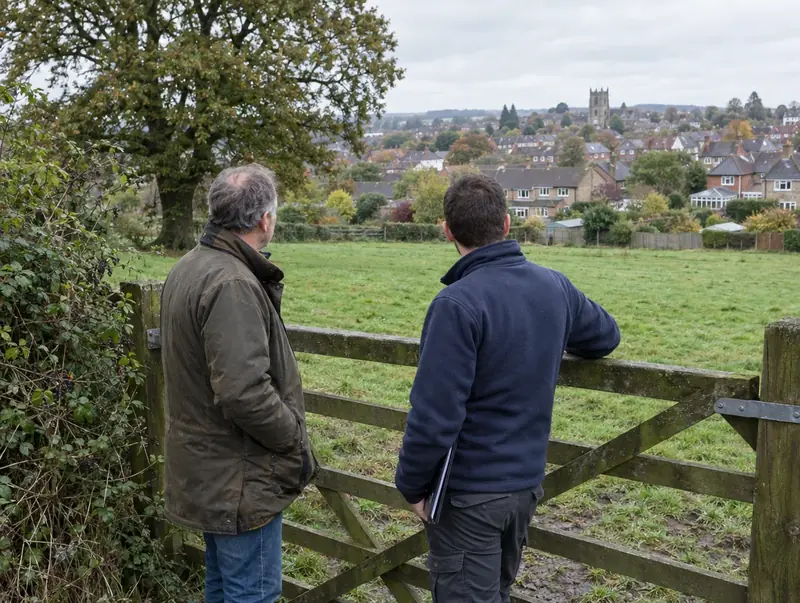
Sell Land for Development
Sell a field, paddock, garden or site direct to a developer, with or without planning permission.
Learn moreIf you own land that could take new homes, you have more choices than a straight sale. We explain each route, put the terms in writing and, on option and promotion deals, pay your reasonable legal fees. On promotion we fund the planning work, recovered only from a sale with planning.
Tell us about your land and we will call you back. No cost, no obligation.
Prefer to talk? Call 0800 088 6248.
You can sell development land in three main ways: an outright sale now, an option agreement where a developer has the right to buy once planning is granted, or a promotion agreement where the land is taken through planning and then sold on the open market. Land to Homes offers all three, plus joint ventures, and starts with a free site appraisal so you can compare routes before you decide.
We look at land that could take one home or many: paddocks and fields on the edge of towns and villages, large or long gardens, infill plots between existing houses, farmland next to settlements, former commercial yards and brownfield sites, and buildings such as offices, shops, chapels and barns that could convert to homes.
Size, location, access and local planning policy all matter. A small site in the right place can be more valuable than a large one in the wrong place, which is why every enquiry starts with a free site appraisal.
Selling now gives certainty and a quicker result. Waiting for planning usually increases what the land is worth, but takes time and carries the risk that permission is refused. An option agreement or a promotion agreement lets you wait for planning without paying for it yourself. Our guide option vs promotion agreement compares the two.
On option and promotion agreements with Land to Homes, we fund the planning work and pay your reasonable legal fees. The fee cap is agreed in the heads of terms before you instruct a solicitor. On promotion, the planning costs are only recovered from the sale proceeds if the land sells with permission. See who pays for land promotion.
Yes. You will need your own solicitor, and many landowners also use a land agent or chartered surveyor. We are not tax advisers, so speak to an accountant before you agree terms; our guide to tax when selling land explains the basics.
Sell a field, paddock, garden or site direct to a developer, with or without planning permission.
Learn more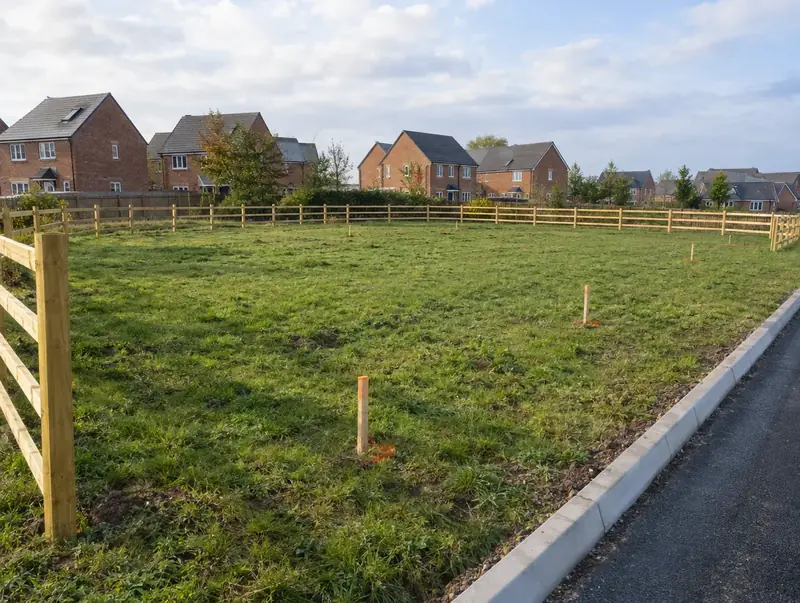
Sell a site that already has outline or full consent, with its conditions and obligations properly checked.
Learn more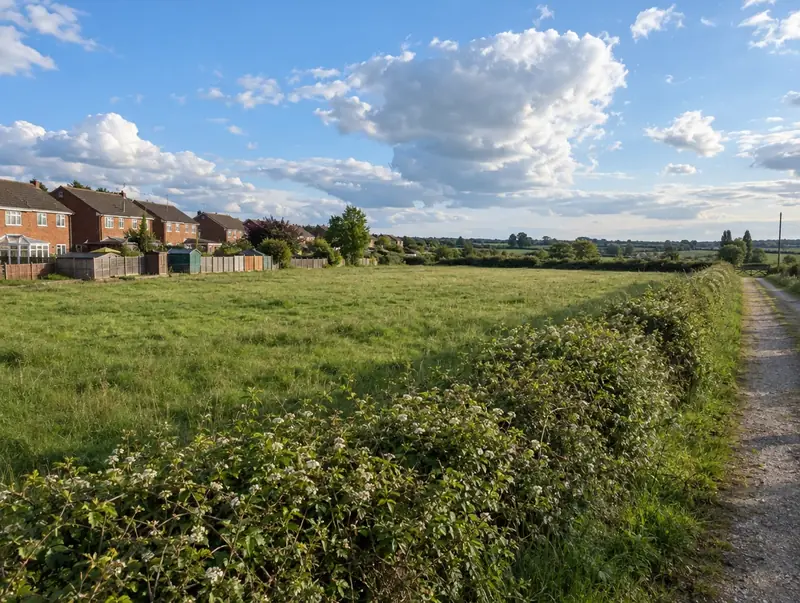
Own land with no planning yet? Sell it as it stands, or let us take it through planning first.
Learn more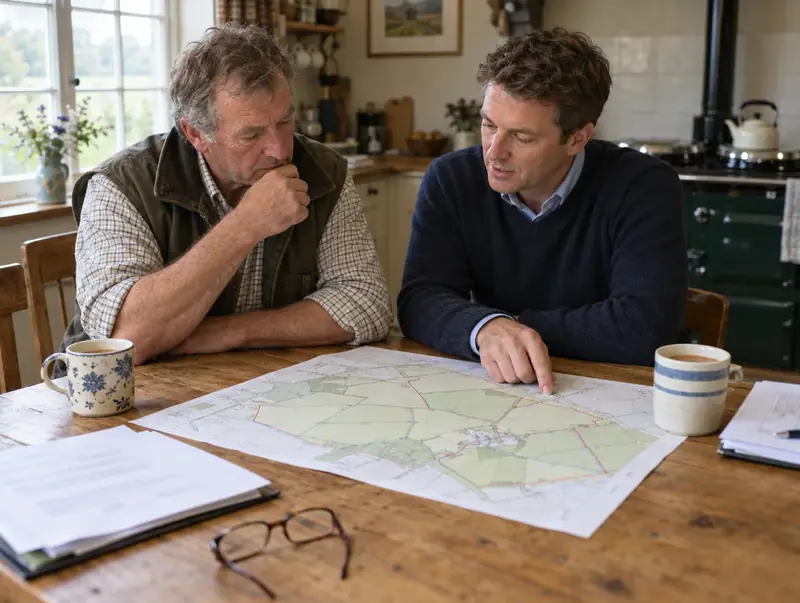
Grant us the right to buy once planning is secured. We fund planning and pay your reasonable legal fees.
Learn more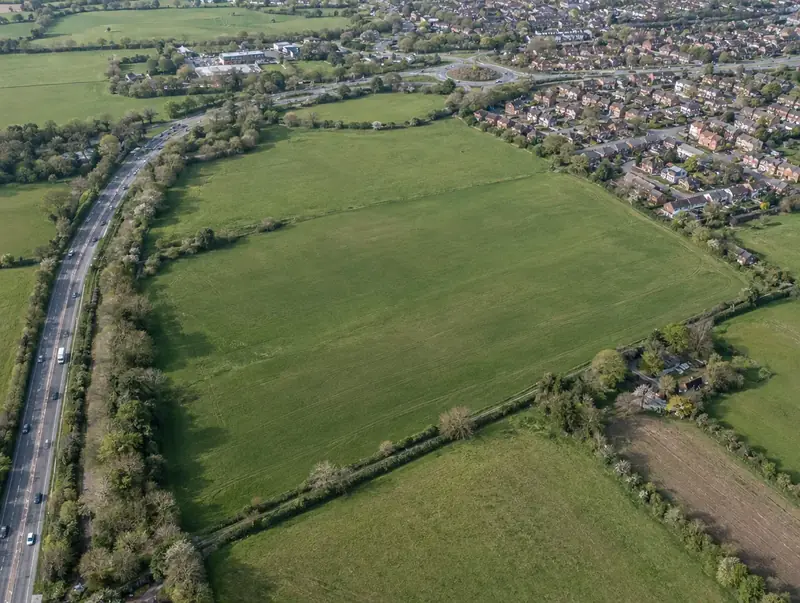
We fund the planning work, then sell your land on the open market with you. Nothing to pay upfront.
Learn more
Put your land into a development partnership and share in the scheme, rather than taking a land price alone.
Learn more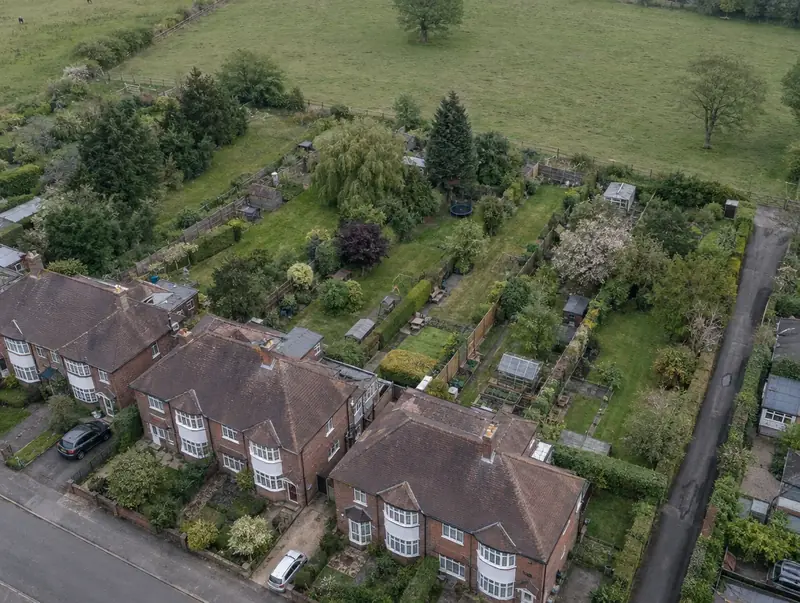
Sell part of a large garden or land behind houses for new homes, with access, neighbours and title checked.
Learn more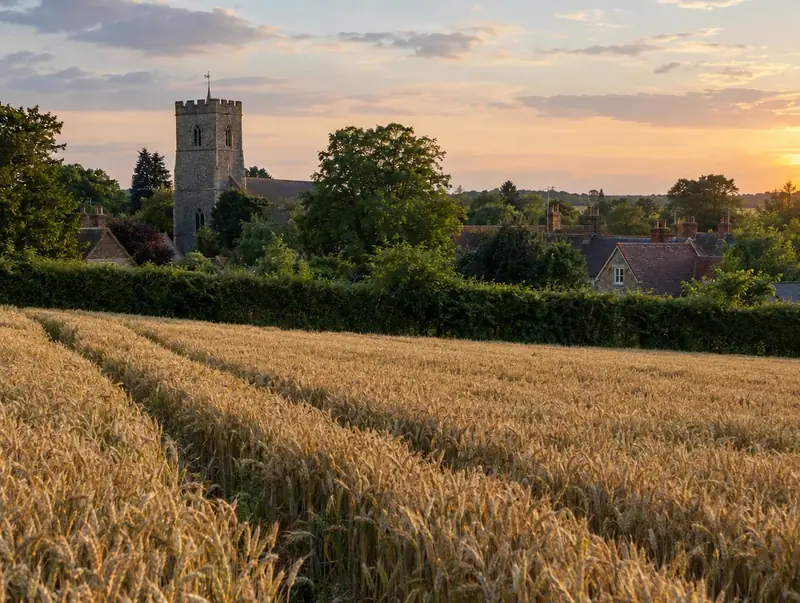
Sell a field or paddock next to a town or village, outright or through an option or promotion agreement.
Learn more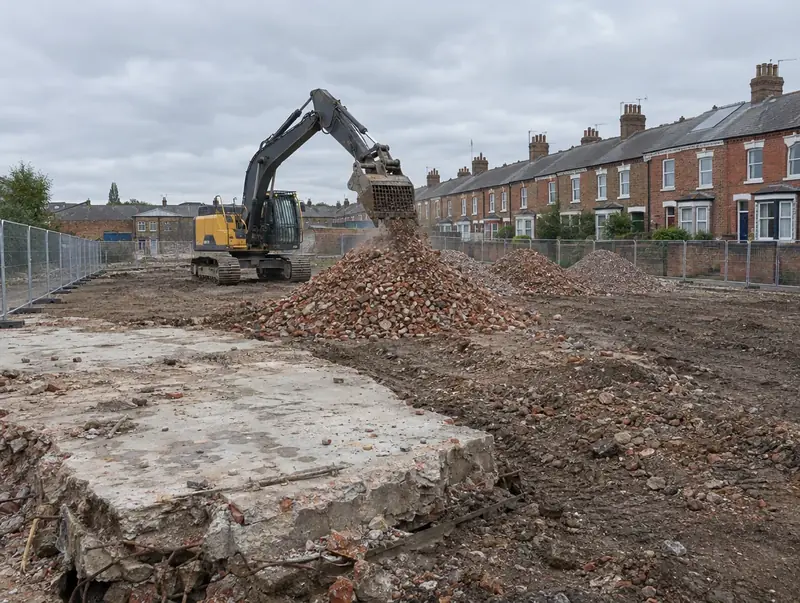
Sell a former yard, garage block or depot for new homes, with contamination and demolition properly assessed.
Learn more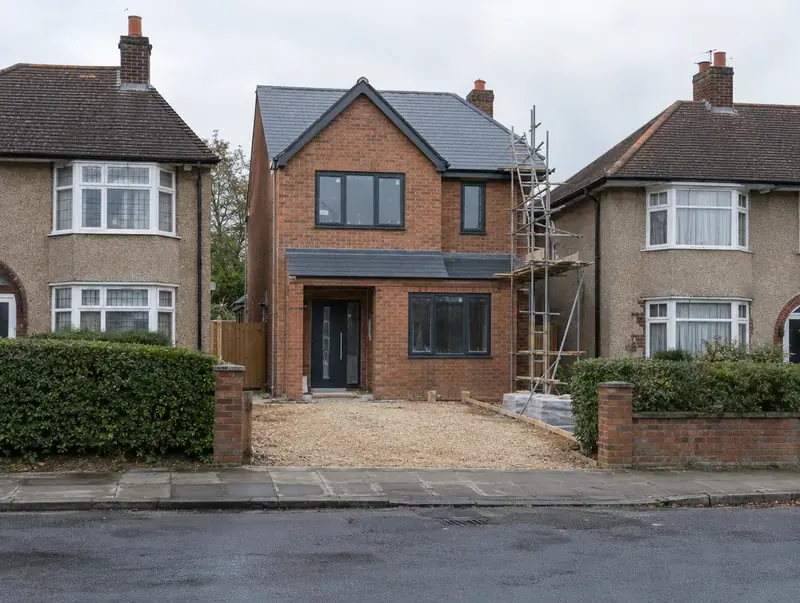
Sell a gap between houses, a side plot or an end-of-terrace site that could take one or a few new homes.
Learn more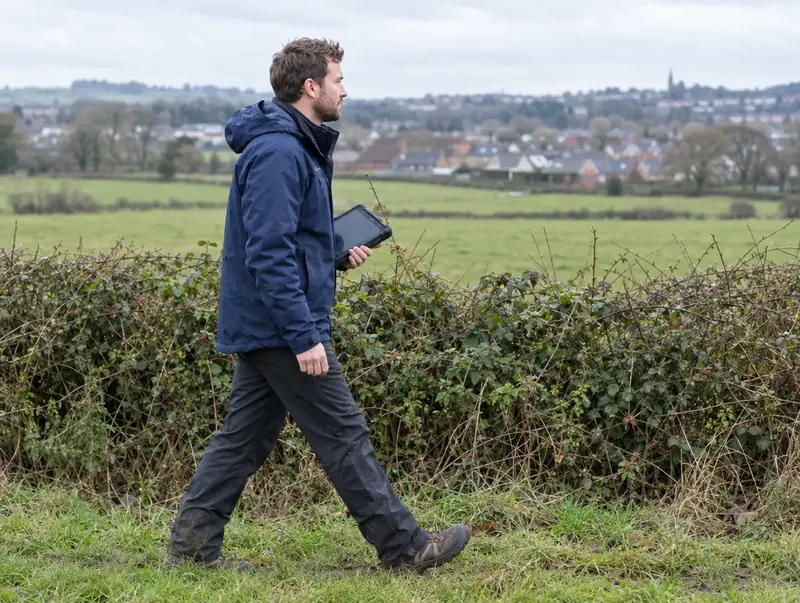
Bring neighbouring parcels, access strips and visibility splays together so a site can be planned as one.
Learn more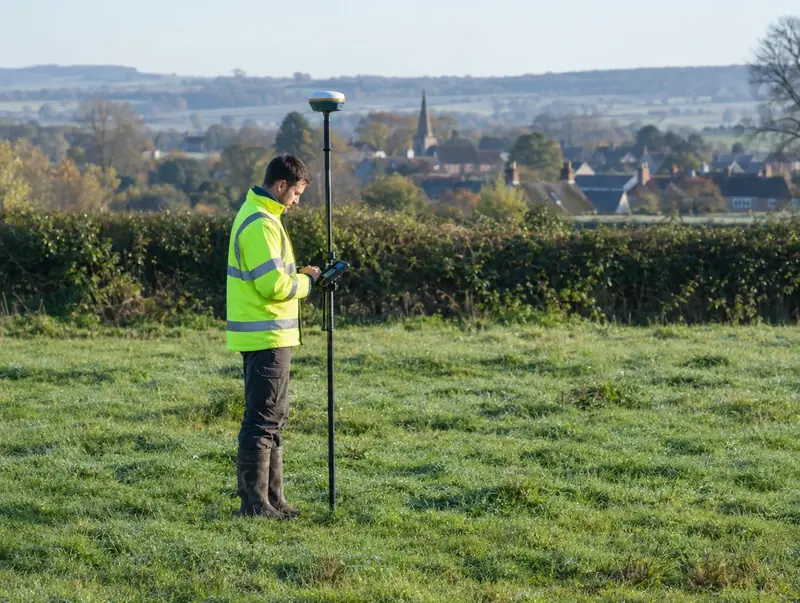
A free, no-obligation look at your land's development potential: planning, access, constraints and routes.
Learn more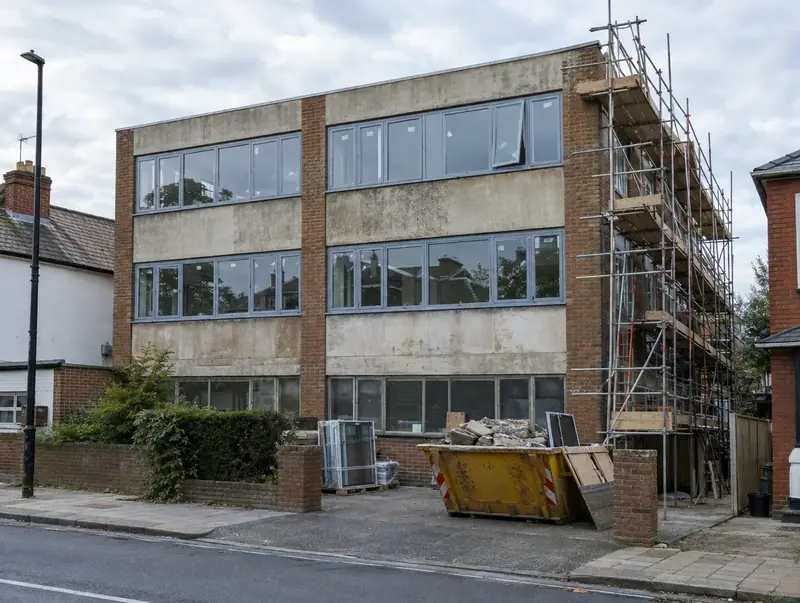
Sell an office, shop, pub, chapel, barn or light industrial unit that could be converted into new homes.
Learn moreStart with an appraisal of what the land could take and the routes open to you: a direct sale, an option agreement or a promotion agreement. Then take independent advice from a solicitor and, ideally, a land agent before agreeing heads of terms. Land to Homes offers a free, no-obligation site appraisal and explains each route in writing.
Yes. Land often sells without planning, either for a price that reflects the planning risk or under a deal where the price is set once permission is granted. Land to Homes can buy suitable sites directly, with or without planning and with no onward chain, subject to survey, title and contract, or promote the land through planning with you.
An option agreement gives a developer the right, but not the obligation, to buy land within an agreed period, usually once planning permission is granted. The landowner normally receives an option fee, and the purchase price is worked out under an agreed formula. On option agreements with Land to Homes, we pay your reasonable legal fees, agreed up front in the heads of terms.
Under a promotion agreement, a promoter funds and manages the planning process, then markets the land for sale with the landowner once permission is granted. The proceeds are shared under an agreed formula after the promoter's costs. With Land to Homes there is nothing to pay upfront: planning costs are only recovered from the sale proceeds if the land sells with planning.
Fields and paddocks next to towns and villages, large gardens and backland, infill plots, brownfield and former commercial sites, farmland, and buildings that could convert to homes. Sites need realistic access and planning prospects. If land is too small or too constrained for us, we will say so plainly rather than leave you waiting for an answer.
Yes. Every landowner should have their own solicitor on a land sale or agreement, and many also use a land agent or chartered surveyor. On option and promotion agreements with Land to Homes, we pay your reasonable legal fees, with the amount agreed up front in the heads of terms before you instruct anyone.
Planning permission is consent from the planning authority to carry out development, such as building new homes or changing the use of land. Applications are judged against the local development plan and national policy, which differ in England, Wales, Scotland and Northern Ireland. Permission can be full, or outline, which is called planning permission in principle in Scotland.
No one can guarantee planning permission. Decisions rest with the planning authority or, on appeal, an independent appeal body. What we can do is assess the prospects honestly, prepare a thorough application and deal with likely objections early. If we think a site is unlikely to succeed, we will tell you before anyone spends time or money on it.
Start with a free, no-obligation site appraisal. On option and promotion agreements we fund the planning work and pay your reasonable legal fees.