
Sell Farmland and Paddocks in Forth Valley
A paddock in Forth Valley used for grazing or horses can be worth far more as housing land, but only if planning is realistic. Land to Homes looks at the settlement boundary, access from the road, flood risk and the development plan, then tells you which route gives you the clearest outcome for that field.
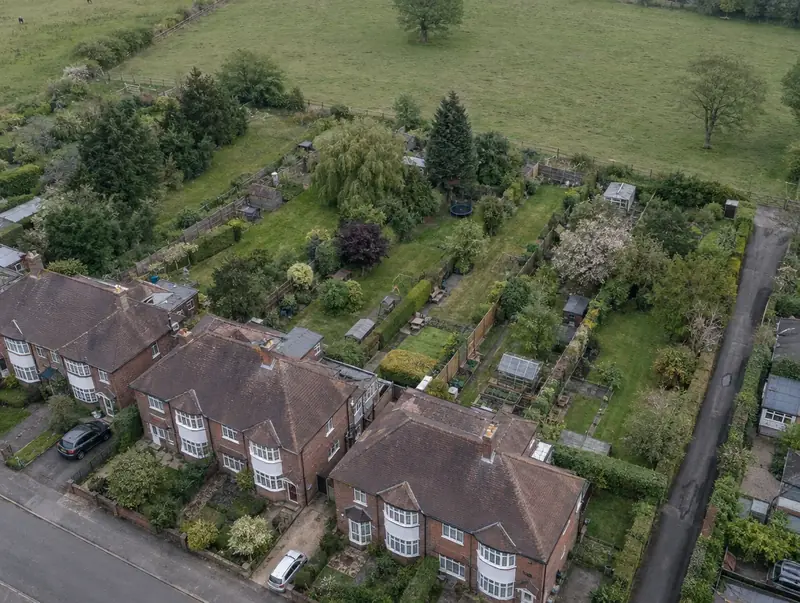 Forth Valley
Free site appraisal
Tell us about your land and we will call you back. No cost, no obligation.
Prefer to talk? Call 0800 088 6248.
- Free site appraisalNo cost, no obligation
- Legal fees coveredReasonable fees, on options and promotion
- Nothing to pay upfrontOn promotion: we fund planning
- Direct purchaseSuitable sites, with or without planning
- UK-wideEngland, Wales, Scotland and NI
Land and sites near Forth Valley
Our Forth Valley coverage takes in 4 towns and cities, centred on Stirling and including Falkirk, Alloa and Grangemouth. Neighbouring areas we also cover include Lanarkshire, Edinburgh & the Lothians and Fife.
Typical sites we review near Forth Valley include fields put forward or allocated in the local plan, former garage blocks and yards and land that already has planning permission. Planning in Forth Valley follows Scotland’s rules: National Planning Framework 4 sets national policy and the council’s Local Development Plan sets local policy.
Send us a postcode in or near FK8 and we will start with a free desktop appraisal.
Why work with Land to Homes in Forth Valley
Farm schemes considered
If the land is in an agri-environment or farm support agreement, taking it out may have consequences, including possible repayments. Check the scheme rules before you sign anything with anyone.
Access kept to retained fields
Deals can reserve access rights, service connections and drainage routes for the rest of your holding, so a new scheme does not cut off fields or buildings you keep.
Keep farming meanwhile
Under an option or promotion agreement, you normally stay in possession and keep farming or grazing until the land is sold, subject to access for surveys and agreed notice periods.
Fees covered on options
On option and promotion agreements we pay your reasonable legal fees, with the amount agreed up front in the heads of terms, so specialist rural legal advice is within reach.
Rules that apply in Forth Valley
Scottish land deals differ from the rest of the UK in a few ways: contracts are concluded by missives, consent in principle is called planning permission in principle, and developer contributions use Section 75 agreements. Land to Homes works within those rules around Forth Valley, whether buying a suitable site directly with no onward chain, subject to survey, title and contract, or promoting it through planning with nothing to pay upfront. Planning permission is never guaranteed, so we explain the risks plainly.
In Scotland, NPF4 limits development on prime agricultural land, and rural housing is guided by its rural homes policy and the Local Development Plan. Croft land usually needs a decrofting direction from the Crofting Commission before it can be developed. Scottish agricultural tenancies carry their own statutory rights, so take specialist advice early.
| National planning policy | National Planning Framework 4 (NPF4), which forms part of the statutory development plan |
|---|---|
| Local planning document | Local Development Plan (LDP) |
| Who decides applications | The council as planning authority (or a national park authority in its area) |
| In-principle consent | Planning permission in principle (PPP), followed by approval of matters specified in conditions |
| Land transaction tax (paid by the buyer) | Land and Buildings Transaction Tax (LBTT) |
| Land registration | Registers of Scotland (Land Register of Scotland) |
| How a sale becomes binding | Land sales are concluded through missives, formal letters exchanged between solicitors that become a binding contract once concluded, followed by settlement on the date of entry and registration in the Land Register of Scotland. |
| Developer contributions | Section 75 planning obligations, with Section 69 agreements sometimes used for simple one-off payments |
Common questions in Forth Valley
How do I keep access to the rest of my farm?
Through rights reserved in the agreement and the eventual transfer. These can include a right of way through the new estate road, service connections and drainage routes for retained land. Plan them early, because once a layout is approved it is much harder to add access later.
Will selling farmland affect my inheritance tax reliefs?
It may. Reliefs for agricultural and business property depend on how the land is used and held, and selling land or holding cash instead can change the position. These rules have changed recently, so speak to an accountant or tax adviser before agreeing terms.
What is an overage clause on farmland?
Overage is a promise by the buyer to make a further payment if a defined event happens after the sale, typically planning permission for a more valuable use. It is common when farmland sells at agricultural value. The key terms are the trigger, the share payable, the duration and how the promise is secured.
Can I keep farming while the land goes through planning?
Yes, in most option and promotion agreements. You stay in possession until the sale, and the agreement sets notice periods before the land is needed. It may restrict new long-term tenancies or works that could affect planning, such as removing hedgerows or trees without agreement.
Do you buy land in Forth Valley?
Yes. Land to Homes looks at land across Forth Valley, including Stirling, Falkirk and Grangemouth. Every enquiry starts with a free site appraisal, and on option and promotion agreements we pay your reasonable legal fees.
Read more: Sell Farmland and Paddocks · Guide: Green Belt and grey belt land explained