
Sell Brownfield Land in Forth Valley
If you own a redundant commercial site in Forth Valley, selling it for housing can turn an ongoing cost into a sale. Buyers will ask about past uses, contamination reports, asbestos in buildings and drainage. Land to Homes can buy suitable sites directly, subject to survey, title and contract, and builds clearance and remediation into a clear offer.
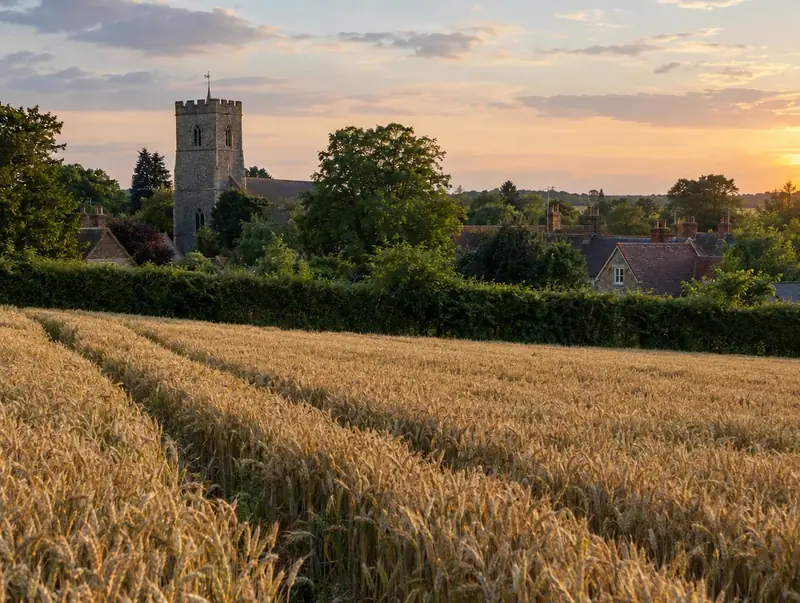 Forth Valley
Free site appraisal
Tell us about your land and we will call you back. No cost, no obligation.
Prefer to talk? Call 0800 088 6248.
- Free site appraisalNo cost, no obligation
- Legal fees coveredReasonable fees, on options and promotion
- Nothing to pay upfrontOn promotion: we fund planning
- Direct purchaseSuitable sites, with or without planning
- UK-wideEngland, Wales, Scotland and NI
Land and sites near Forth Valley
We cover 4 places across Forth Valley: Stirling is the main one, alongside Grangemouth, Alloa and Falkirk. If your land is near a boundary, we also cover Lanarkshire, Edinburgh & the Lothians and Fife.
Typical sites we review near Forth Valley include redundant commercial buildings, fields put forward or allocated in the local plan and land that already has planning permission. As Forth Valley is in Scotland, applications are judged against National Planning Framework 4, and the buyer of land pays Land and Buildings Transaction Tax (LBTT).
Tell us where your land is around Forth Valley and we will explain the routes open to you.
Why work with Land to Homes in Forth Valley
Contamination assessed in stages
Ground investigation is usually staged: a desk study of past uses, intrusive sampling if needed, then a remediation strategy and verification. Existing reports save time and cost, so share any you hold.
VAT on commercial sites
If you have opted to tax the property, VAT may be chargeable on the sale, which affects what a buyer pays. Your accountant should confirm the position before a price is agreed.
Tenants and leases
If business tenants remain, their lease terms and any statutory protection affect when the site can be cleared. We review the leases before agreeing timing with you.
Neighbouring uses considered
New homes next to workshops, busy roads or late-night venues need protection from noise and smells. In England and Wales, the agent of change principle can put the cost of mitigation on the new development.
Planning and land rules in Forth Valley
Land sales in Scotland are concluded through missives, an exchange of formal letters between solicitors. Once missives are concluded they form a binding contract, and the buyer takes entry at settlement, then registers the title with Registers of Scotland. For land near Forth Valley, missives can be made conditional on planning permission in principle, so the sale only proceeds if consent is secured. The buyer pays Land and Buildings Transaction Tax to Revenue Scotland.
In Scotland, NPF4 supports the reuse of vacant and derelict land, and councils record such land in the Scottish Vacant and Derelict Land Survey. Flood risk is assessed against NPF4 and SEPA's flood maps. Former mining areas may need a Coal Authority report, and ground conditions affect the building warrant as well as planning.
| National planning policy | National Planning Framework 4 (NPF4), which forms part of the statutory development plan |
|---|---|
| Local planning document | Local Development Plan (LDP) |
| Who decides applications | The council as planning authority (or a national park authority in its area) |
| In-principle consent | Planning permission in principle (PPP), followed by approval of matters specified in conditions |
| Land transaction tax (paid by the buyer) | Land and Buildings Transaction Tax (LBTT) |
| Land registration | Registers of Scotland (Land Register of Scotland) |
| How a sale becomes binding | Land sales are concluded through missives, formal letters exchanged between solicitors that become a binding contract once concluded, followed by settlement on the date of entry and registration in the Land Register of Scotland. |
| Developer contributions | Section 75 planning obligations, with Section 69 agreements sometimes used for simple one-off payments |
Questions about Sell Brownfield Land in Forth Valley
Do I need a contamination report before selling?
Not necessarily, but it helps. A desk study of past uses is relatively inexpensive and gives buyers confidence. If you hold older reports, share them. Buyers will usually carry out their own investigations anyway, both as part of their due diligence and because planning conditions often require them.
Who pays for contamination clean-up when I sell?
It is negotiated. Usually the buyer allows for remediation in the price it offers, so the cost is reflected in the land value. Contract terms can also deal with environmental liabilities after the sale. Where contamination is serious, environmental law can in some cases leave liability with whoever caused it, so take legal advice.
Is it easier to get planning permission on brownfield land?
Usually it has stronger policy support than greenfield land, because national policy in each UK nation encourages the reuse of previously developed land. Permission is still not automatic: loss of employment land, heritage, flood risk, neighbours and design all matter, and a site in an area protected for business use may still struggle.
What counts as brownfield land?
Brownfield, or previously developed land, is land that is or was occupied by a permanent structure, including the land around it. Former yards, depots, garage blocks and commercial buildings usually qualify. Definitions vary by nation, and some exclude private gardens, agricultural buildings or sites where earlier remains have blended into the landscape.
Do you buy land in Forth Valley?
Yes. Land to Homes looks at land across Forth Valley, including Stirling, Falkirk and Grangemouth. Every enquiry starts with a free site appraisal, and on option and promotion agreements we pay your reasonable legal fees.
Read more: Sell Brownfield Land · Guide: Green Belt and grey belt land explained