
Land and new homes in County Down
Land to Homes buys land and partners with landowners in County Down, then takes suitable sites through planning, design and construction to new homes for sale, for rent and for affordable housing. Landowners start with a free site appraisal; home seekers can register their interest.
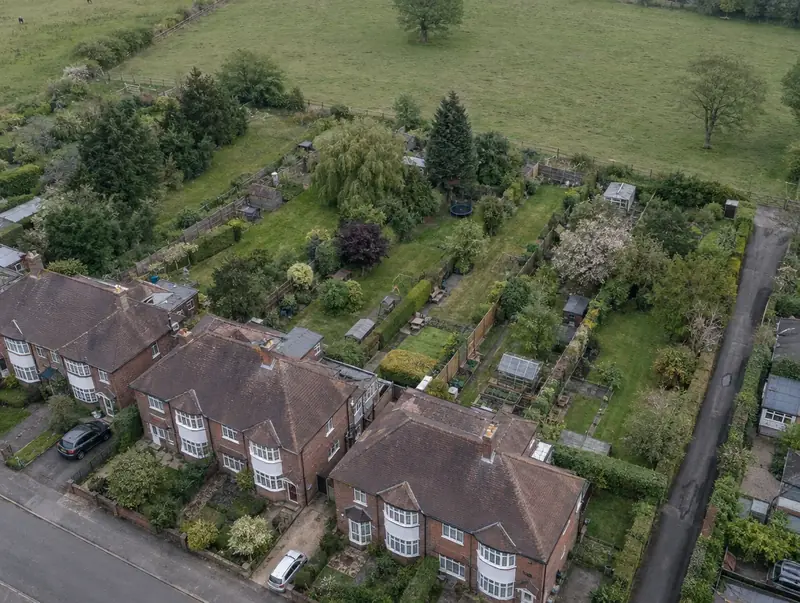 County Down
Free site appraisal
Tell us about your land and we will call you back. No cost, no obligation.
Prefer to talk? Call 0800 088 6248.
- Free site appraisalNo cost, no obligation
- Legal fees coveredReasonable fees, on options and promotion
- Nothing to pay upfrontOn promotion: we fund planning
- Direct purchaseSuitable sites, with or without planning
- UK-wideEngland, Wales, Scotland and NI
Where we work in County Down
Our County Down coverage takes in 6 towns and cities, centred on Bangor (County Down) and including Downpatrick, Banbridge and Castlereagh. If your land is near a boundary, we also cover County Antrim, County Armagh and County Tyrone.
Typical sites we review near County Down include former garage blocks and yards, brownfield land in and around Bangor (County Down) and fields put forward or allocated in the local plan. As County Down is in Northern Ireland, applications are judged against the Strategic Planning Policy Statement, and the buyer of land pays Stamp Duty Land Tax (SDLT).
Send us a postcode in or near BT20 and we will start with a free desktop appraisal.
Services in County Down
For landowners
- Sell Land for Development in County Down
- Sell Land with Planning Permission in County Down
- Sell Land Without Planning in County Down
- Land Option Agreements in County Down
- Land Promotion Agreements in County Down
- Landowner Joint Ventures in County Down
- Sell Garden Land and Backland in County Down
- Sell Farmland and Paddocks in County Down
- Sell Brownfield Land in County Down
- Sell an Infill Plot in County Down
- Land Assembly and Access in County Down
- Free Site Appraisal in County Down
- Sell a Building for Conversion in County Down
Planning, design and build
- Planning Permission and Strategy in County Down
- Architecture and Masterplanning in County Down
- New Home Construction in County Down
- Serviced Plots for Self-Build in County Down
New homes and housing
- New-Build Homes for Sale in County Down
- New Homes to Rent in County Down
- Affordable Housing in County Down
- Social Housing in County Down
- Council and Housing Partnerships in County Down
Funders and partners
Planning in County Down: the Northern Irish rules
Selling land near County Down follows a familiar pattern in Northern Ireland: heads of terms, then an exchange of contracts signed by both sides, which makes the sale binding, and completion. The buyer pays Stamp Duty Land Tax, as in England, and the title is registered with Land Registry, part of Land & Property Services, although older titles may first need moving from the Registry of Deeds. Infrastructure and affordable housing are usually secured through a Section 76 planning agreement.
Affordable housing delivery in County Down involves three main players: the Department for Communities, which funds the programme and regulates housing associations; the Northern Ireland Housing Executive, which assesses need and manages the Social Housing Development Programme; and registered housing associations, which build and manage the homes. Co-Ownership provides shared ownership. Land to Homes can work alongside them by bringing forward land and building new homes.
| National planning policy | Strategic Planning Policy Statement (SPPS, Edition 2), applied with retained Planning Policy Statements until each council adopts its Plan Strategy |
|---|---|
| Local planning document | Local Development Plan (LDP), made up of a Plan Strategy and a Local Policies Plan |
| Who decides applications | The 11 district councils, with the Department for Infrastructure deciding regionally significant applications |
| In-principle consent | Outline planning permission, with reserved matters approved later |
| Land transaction tax (paid by the buyer) | Stamp Duty Land Tax (SDLT) |
| Land registration | Land & Property Services (Land Registry and Registry of Deeds) |
| How a sale becomes binding | A land sale becomes legally binding when contracts signed by both parties are exchanged and finishes on completion, with the title registered in the Land Registry at Land & Property Services. |
| Developer contributions | Section 76 planning agreements under the Planning Act (Northern Ireland) 2011 (there is no Community Infrastructure Levy) |
Questions about Land and homes in County Down
Do you pay my legal fees?
On option and promotion agreements, yes. We pay your reasonable legal fees, and the amount is agreed up front in the heads of terms before you instruct a solicitor, so there are no surprises later. On a direct purchase, each side normally pays its own legal costs, and we will explain the position before you commit.
What are the New Homes Quality Code and New Homes Ombudsman?
The New Homes Quality Code is a code of practice for developers registered with the New Homes Quality Board, covering how homes are marketed, reserved, sold and handed over, and after-sales care. Buyers of homes from registered developers can usually take unresolved complaints to the New Homes Ombudsman Service. The framework currently covers England, Scotland and Wales.
What kinds of land do you look at?
Fields and paddocks next to towns and villages, large gardens and backland, infill plots, brownfield and former commercial sites, farmland, and buildings that could convert to homes. Sites need realistic access and planning prospects. If land is too small or too constrained for us, we will say so plainly rather than leave you waiting for an answer.
Who decides who gets an affordable or social home?
Councils and housing associations, not developers. They set eligibility, usually based on income, housing need and sometimes a local connection, and allocate homes through their own lists or sales processes. In Northern Ireland, social homes are allocated through the Northern Ireland Housing Executive's common waiting list. Land to Homes does not allocate homes.
Do you work with landowners in County Down?
We do. We work with landowners across County Down, including Newry, Downpatrick and Newtownards. Send us a postcode and we will start with a free, no-obligation appraisal of what the land could take.