
Sell Land Without Planning in Highlands & Islands
Land without planning permission in Highlands & Islands can still be sold for development. Its value rests on hope, meaning how likely it is that new homes will be allowed. Land to Homes can buy suitable sites as they stand, agree a contract that completes only if planning is granted, or partner with you through an option or promotion agreement.
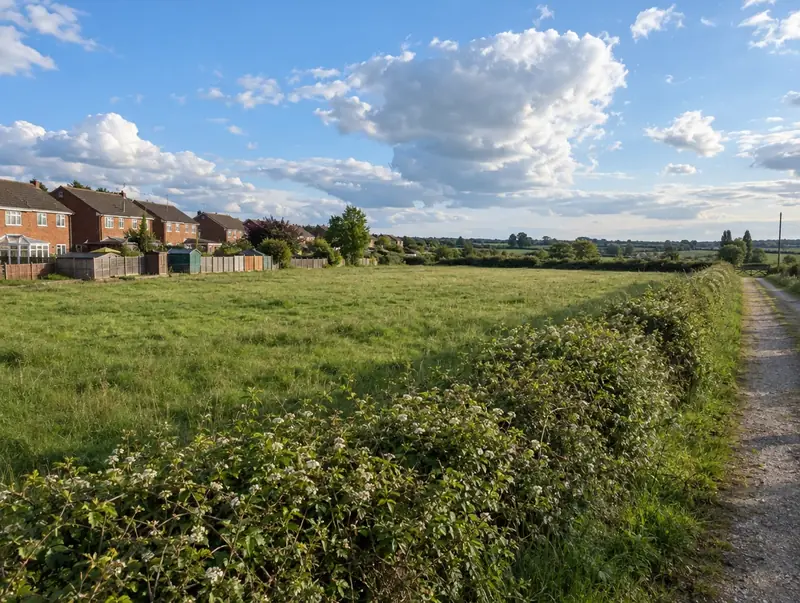 Highlands & Islands
Free site appraisal
Tell us about your land and we will call you back. No cost, no obligation.
Prefer to talk? Call 0800 088 6248.
- Free site appraisalNo cost, no obligation
- Legal fees coveredReasonable fees, on options and promotion
- Nothing to pay upfrontOn promotion: we fund planning
- Direct purchaseSuitable sites, with or without planning
- UK-wideEngland, Wales, Scotland and NI
Land and sites near Highlands & Islands
We cover 6 places across Highlands & Islands: Inverness is the main one, alongside Thurso, Stornoway and Lerwick. Neighbouring areas we also cover include Moray, Aberdeen & Aberdeenshire and Angus & Dundee.
In and around Highlands & Islands, the land we appraise ranges from large and long rear gardens to paddocks on the edge of Inverness, including land behind street frontages. Planning in Highlands & Islands follows Scotland’s rules: National Planning Framework 4 sets national policy and the council’s Local Development Plan sets local policy.
Tell us where your land is around Highlands & Islands and we will explain the routes open to you.
How we work in Highlands & Islands
Overage protects the upside
If you sell now, an overage clause can entitle you to a further payment if a more valuable permission is granted later. We explain how triggers, duration and security are usually set out.
Constraints checked first
Flood risk, access, heritage, ecology, protected trees and landscape designations can each decide whether planning is realistic. We look at all of these before discussing any deal or price mechanism with you.
Buying land as it stands
Where we can see a planning route we are prepared to back, we can buy your land as it stands, with no onward chain, subject to survey, title and contract.
Hope value explained
Land with no permission but a realistic chance of one is worth more than its current use value, but less than consented land. We explain where your site sits on that scale and why.
Planning and land rules in Highlands & Islands
In Scotland, planning applications for land around Highlands & Islands are decided by the council as planning authority, using National Planning Framework 4 and the Local Development Plan, which together form the statutory development plan. Instead of outline permission, Scotland uses planning permission in principle, followed by approval of matters specified in conditions. Land to Homes can buy suitable sites directly or promote land through planning, and every conversation starts with a free site appraisal.
In Scotland, the Local Development Plan and National Planning Framework 4 decide where housing goes. Land is often sold on missives with a suspensive condition that planning permission in principle is granted. Under the newer plan system councils prepare an evidence report before the proposed plan, so landowners benefit from engaging early.
| National planning policy | National Planning Framework 4 (NPF4), which forms part of the statutory development plan |
|---|---|
| Local planning document | Local Development Plan (LDP) |
| Who decides applications | The council as planning authority (or a national park authority in its area) |
| In-principle consent | Planning permission in principle (PPP), followed by approval of matters specified in conditions |
| Land transaction tax (paid by the buyer) | Land and Buildings Transaction Tax (LBTT) |
| Land registration | Registers of Scotland (Land Register of Scotland) |
| How a sale becomes binding | Land sales are concluded through missives, formal letters exchanged between solicitors that become a binding contract once concluded, followed by settlement on the date of entry and registration in the Land Register of Scotland. |
| Developer contributions | Section 75 planning obligations, with Section 69 agreements sometimes used for simple one-off payments |
Common questions in Highlands & Islands
Can I keep using the land while planning is pursued?
Usually, yes. Under options and promotion agreements you normally keep ownership and can carry on using the land, for example for grazing or farming, until it is sold. The agreement sets out access for surveys and any restrictions, such as on granting new long-term tenancies.
Should I apply for planning permission myself before selling?
You can, but an application costs money in surveys, reports and fees, and a refusal can make the land harder to sell. A scheme designed by someone who does not intend to build may also not suit housebuilders. Many landowners prefer a partner who carries the cost and risk of planning instead.
What if my land has been refused planning before?
A previous refusal is useful evidence, not necessarily the end of the story. Policy changes, new local plans and a different scheme can lead to a different outcome. We read the refusal reasons and any appeal decision before giving a view on whether a fresh approach is realistic and worth the cost.
Is a field with no road frontage worth selling for development?
It can be, but access is the first question any buyer asks. If the only route in crosses land owned by someone else, rights need to be agreed or a strip bought. We check title plans and highway records before suggesting any deal, so you know whether access is a hurdle or a dead end.
Do you buy land in Highlands & Islands?
Yes. Land to Homes looks at land across Highlands & Islands, including Inverness, Fort William and Stornoway. Every enquiry starts with a free site appraisal, and on option and promotion agreements we pay your reasonable legal fees.
Read more: Sell Land Without Planning · Guide: How is development land valued?