
Land Promotion Agreements in Cambridge
A land promotion agreement in Cambridge is a partnership in which a promoter funds and manages the planning process, then sells the land on the open market with the landowner. The promoter's costs and an agreed fee come out of the sale proceeds. Because both sides are paid from the same sale, both want the highest price.
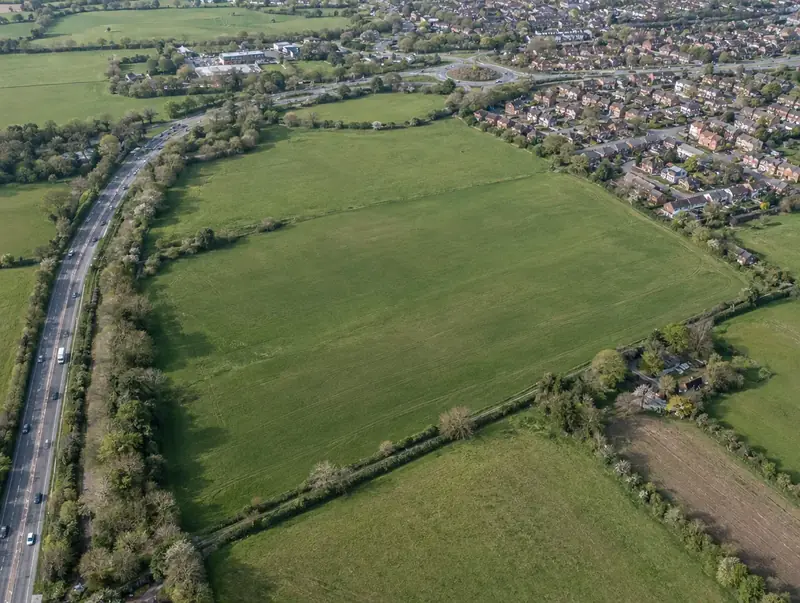 Cambridge · CB2
Free site appraisal
Tell us about your land and we will call you back. No cost, no obligation.
Prefer to talk? Call 0800 088 6248.
- Free site appraisalNo cost, no obligation
- Legal fees coveredReasonable fees, on options and promotion
- Nothing to pay upfrontOn promotion: we fund planning
- Direct purchaseSuitable sites, with or without planning
- UK-wideEngland, Wales, Scotland and NI
Our coverage in Cambridge
About 30 miles south-east of Peterborough, Cambridge is part of our Cambridgeshire coverage, centred on postcode district CB2. Close by, our coverage also takes in Newmarket, Ely and Huntingdon. Cambridge is part of England’s East of England region.
Sites worth a conversation around Cambridge: land behind street frontages, small holdings and pony paddocks and former garage blocks and yards. Because Cambridge is in England, land titles are registered with HM Land Registry and transfers attract Stamp Duty Land Tax (SDLT).
Tell us where your land is around Cambridge and we will explain the routes open to you.
Why work with Land to Homes in Cambridge
Interests aligned on price
The promoter's fee is linked to the sale price, so we only do well if you do. That is the main difference from an option, where the buyer benefits from a lower valuation.
Planning work funded by us
Nothing to pay upfront: on promotion we fund the planning work. Those costs are recovered from the sale proceeds only if the land sells with planning, and the heads of terms set out exactly how that works.
Reasonable legal fees covered
We pay your reasonable legal fees on promotion agreements, with the amount agreed up front in the heads of terms. You choose your own solicitor to act for you.
Minimum price agreed early
The agreement sets a floor below which you cannot be required to sell. Some agreements allow it to be reviewed by an independent surveyor if the market moves during the term.
How the rules work in Cambridge
Whether a field or large garden could take homes depends mostly on the council's Local Plan and national policy. Under the National Planning Policy Framework, plans define settlement boundaries, and land just outside Cambridge may still come forward if it is allocated, previously developed or meets evidenced unmet housing need. Smaller housing schemes can also use Permission in Principle, an England-only route that settles location, use and amount first. Our free appraisal explains which route suits your land.
In England, promotion usually focuses on getting land allocated in a Local Plan, or permitted where the council cannot show enough land for housing. Larger schemes often go in as outline applications, and the heads of terms should explain how Section 106 obligations, the Community Infrastructure Levy and biodiversity net gain costs affect the net proceeds.
| National planning policy | National Planning Policy Framework (NPPF), revised August 2026, with national planning practice guidance |
|---|---|
| Local planning document | Local Plan |
| Land registration | HM Land Registry |
| How a sale becomes binding | A land sale becomes legally binding on exchange of contracts and finishes on completion, after which the buyer registers the title with HM Land Registry. |
Questions about Land Promotion Agreements in Cambridge
How does a land promotion agreement work?
The landowner and promoter sign an agreement for a set term. The promoter funds and runs the planning process. If permission is granted, the land is sold on the open market, provided offers meet an agreed minimum price. From the proceeds, the promoter recovers its costs and takes an agreed fee, and the landowner receives the balance.
Can a promotion agreement cover land owned by several people?
Yes. Neighbours, family members or trustees can sign one agreement, or linked agreements, often with a separate arrangement for sharing proceeds between them. This makes it easier to bring forward a larger site with a single planning strategy. Our land assembly page explains how sharing usually works.
Is a promotion agreement better than an option?
Neither is better in every case. Promotion often suits larger sites where open-market competition is likely to drive the price and the landowner wants transparency. An option can suit smaller or more complex sites where one committed buyer matters more. Our guide to option and promotion agreements compares the two.
What fee does a land promoter take?
The fee is usually a share of the sale proceeds, sometimes calculated after costs are deducted and sometimes capped. There is no standard rate: it depends on the size of the site, the planning risk and the costs involved. Ask for the fee and the cost rules to be set out clearly in the heads of terms.
Do you buy land in Cambridge?
Yes. Land to Homes looks at land in Cambridge and elsewhere in Cambridgeshire, including Peterborough, March and Ely. Every enquiry starts with a free site appraisal, and on option and promotion agreements we pay your reasonable legal fees.
Read more: Land Promotion Agreements · Guide: Section 106 and affordable housing: what landowners should know