
Landowner Joint Ventures in County Armagh
If you own land in County Armagh and want more than a land price, a joint venture lets you stay involved in what gets built. The structure might be a contract, a joint venture company or a partnership. Each has different implications for control, risk, tax and funding, so independent legal and tax advice is essential before you commit.
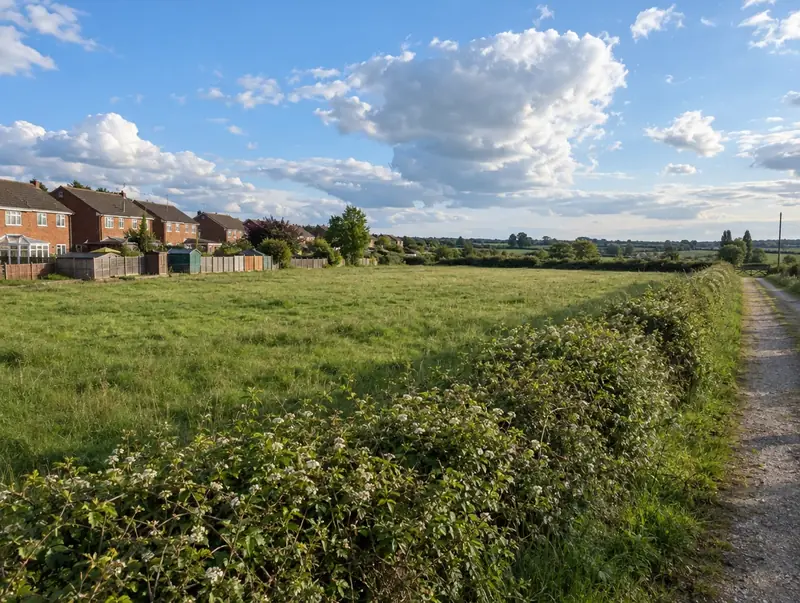 County Armagh
Free site appraisal
Tell us about your land and we will call you back. No cost, no obligation.
Prefer to talk? Call 0800 088 6248.
- Free site appraisalNo cost, no obligation
- Legal fees coveredReasonable fees, on options and promotion
- Nothing to pay upfrontOn promotion: we fund planning
- Direct purchaseSuitable sites, with or without planning
- UK-wideEngland, Wales, Scotland and NI
Land and sites near County Armagh
Our County Armagh coverage takes in 3 towns and cities, centred on Portadown and including Lurgan and Armagh. Next door, we also cover County Down, County Antrim and County Tyrone.
Around County Armagh we look at small holdings and pony paddocks, land that already has planning permission and redundant agricultural buildings. Because County Armagh is in Northern Ireland, land titles are registered with Land & Property Services (Land Registry and Registry of Deeds) and transfers attract Stamp Duty Land Tax (SDLT).
Tell us where your land is around County Armagh and we will explain the routes open to you.
How we work in County Armagh
Sale or rent agreed together
Homes can be built for sale, for rent, or as affordable housing with a council or housing association. The mix affects risk and when money comes back, so it is agreed before work starts.
Funding and lender security
Development lenders usually want a first charge over the land. If your land is charged, you need to understand what happens if the project runs into difficulty and what protection the agreement gives you.
Land value agreed first
Your land is valued at the outset so everyone knows what it contributes. That figure often sets an entitlement paid to you before any profit is shared, which is a key protection in most structures.
Choice of structure
A joint venture can be purely contractual, a joint venture company or a limited liability partnership. Each handles control, liability, tax and exit differently, and your own advisers should help you choose.
Planning in County Armagh: the Northern Irish rules
In Northern Ireland, planning applications for new homes around County Armagh are decided by the local district council, one of 11, while the Department for Infrastructure decides regionally significant schemes. Councils apply the Strategic Planning Policy Statement and their Local Development Plan, together with retained planning policy statements until their Plan Strategy is adopted. Land to Homes offers a free site appraisal and can buy suitable land directly or promote it through planning.
In Northern Ireland, joint ventures use similar structures, but planning is handled by the district council under the SPPS and its local development plan. Section 76 agreements can secure affordable housing, often delivered by housing associations through the social housing programme the Housing Executive manages. Stamp Duty Land Tax applies, and titles are registered with Land & Property Services.
| National planning policy | Strategic Planning Policy Statement (SPPS, Edition 2), applied with retained Planning Policy Statements until each council adopts its Plan Strategy |
|---|---|
| Local planning document | Local Development Plan (LDP), made up of a Plan Strategy and a Local Policies Plan |
| Who decides applications | The 11 district councils, with the Department for Infrastructure deciding regionally significant applications |
| In-principle consent | Outline planning permission, with reserved matters approved later |
| Land transaction tax (paid by the buyer) | Stamp Duty Land Tax (SDLT) |
| Land registration | Land & Property Services (Land Registry and Registry of Deeds) |
| How a sale becomes binding | A land sale becomes legally binding when contracts signed by both parties are exchanged and finishes on completion, with the title registered in the Land Registry at Land & Property Services. |
| Developer contributions | Section 76 planning agreements under the Planning Act (Northern Ireland) 2011 (there is no Community Infrastructure Levy) |
Your questions answered for County Armagh
Will a lender take a charge over my land in a joint venture?
Often, yes. Development lenders normally require security, and the land is the main asset. If your land is charged and the project fails, the lender may be able to sell it. Some structures delay transferring or charging the land, so take legal advice on how your interest is protected.
Can a joint venture include affordable or rental homes?
Yes. A scheme can combine homes for sale, homes for rent and affordable or social homes delivered with a council or housing association. The mix changes the cash flow and when money is paid out, so it should be agreed between the parties before the planning application is submitted.
Do I have to put money into a joint venture?
Not always. In many landowner joint ventures the land is the landowner's whole contribution, while the developer arranges the rest of the funding. Some structures ask both parties to contribute cash. The agreement should state clearly whether any further contribution could ever be required from you, and in what circumstances.
What happens if the joint venture does not get planning?
The agreement should say. Common approaches include ending the venture with each party bearing its own costs, or allowing a revised application within a set period. Make sure you know whether any planning costs could ever be charged to you, and in what circumstances, before you sign.
Do you work with landowners in County Armagh?
We do. We work with landowners across County Armagh, including Portadown, Armagh and Lurgan. Send us a postcode and we will start with a free, no-obligation appraisal of what the land could take.
Read more: Landowner Joint Ventures · Guide: Option agreement or promotion agreement: what is the difference?