
Sell Garden Land and Backland in County Armagh
Backland sites in County Armagh often stretch across several gardens, so the strongest schemes involve neighbours working together. Land to Homes can buy a single plot directly, subject to survey, title and contract, or bring adjoining owners into one deal with a fair way of sharing proceeds, so a single shared access serves everyone.
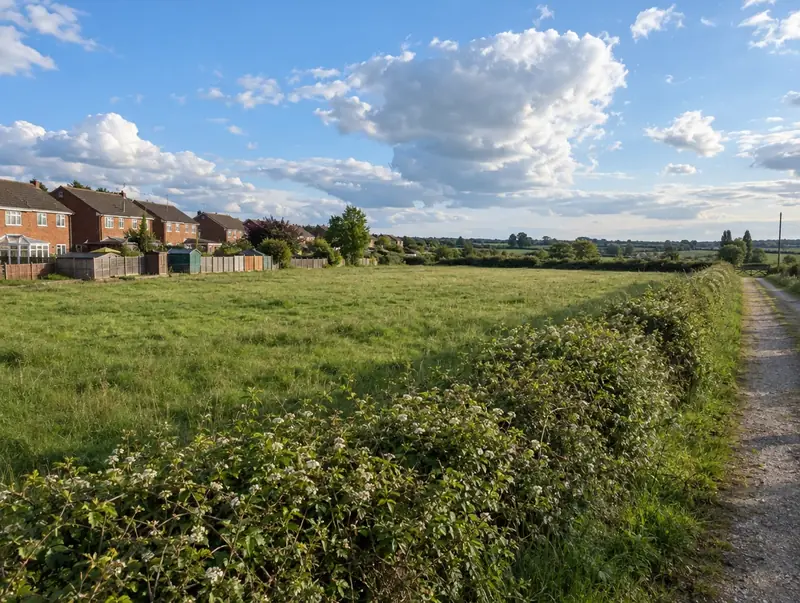 County Armagh
Free site appraisal
Tell us about your land and we will call you back. No cost, no obligation.
Prefer to talk? Call 0800 088 6248.
- Free site appraisalNo cost, no obligation
- Legal fees coveredReasonable fees, on options and promotion
- Nothing to pay upfrontOn promotion: we fund planning
- Direct purchaseSuitable sites, with or without planning
- UK-wideEngland, Wales, Scotland and NI
Selling land around County Armagh
We cover 3 places across County Armagh: Portadown is the main one, alongside Lurgan and Armagh. If your land is near a boundary, we also cover County Down, County Antrim and County Tyrone.
Around County Armagh we look at land that already has planning permission, redundant agricultural buildings and small holdings and pony paddocks. In Northern Ireland, where County Armagh sits, planning decisions are made by the 11 district councils, with the Department for Infrastructure deciding regionally significant applications.
If you own land near County Armagh, the first step is a free, no-obligation appraisal.
Our approach in County Armagh
Mortgage lender consent
If your house is mortgaged, the lender's charge usually covers the whole garden. You will normally need the lender to release the part being sold, which your solicitor arranges as part of the sale.
Option and promotion routes
If the plot needs planning first, an option or promotion agreement lets us fund the application. On both, we pay your reasonable legal fees, with the amount agreed up front in the heads of terms.
Access comes first
Most garden schemes stand or fall on access. The drive must be wide enough for cars, refuse collection and emergency vehicles, with safe visibility at the road, under the highway authority's design guidance.
Covenants and title
Older titles often include restrictive covenants limiting building. Depending on the nation and the facts, a release, indemnity insurance or an application to modify the covenant may be possible.
Planning in County Armagh: the Northern Irish rules
Permission in Principle, an English route, does not apply in Northern Ireland. Instead, landowners near County Armagh usually seek outline or full planning permission from the council. Developer contributions are agreed under Section 76 of the Planning Act (Northern Ireland) 2011, and there is no Community Infrastructure Levy. Land to Homes can take on that process through an option or promotion agreement, or buy a suitable site directly, subject to survey, title and contract.
In Northern Ireland, garden and backland schemes in residential areas are judged against council policy and, where still applied, the addendum to PPS 7 on safeguarding the character of established residential areas, alongside the Creating Places design guide. Councils look closely at density, plot size and access. Stamp Duty Land Tax applies on the sale.
| National planning policy | Strategic Planning Policy Statement (SPPS, Edition 2), applied with retained Planning Policy Statements until each council adopts its Plan Strategy |
|---|---|
| Local planning document | Local Development Plan (LDP), made up of a Plan Strategy and a Local Policies Plan |
| Who decides applications | The 11 district councils, with the Department for Infrastructure deciding regionally significant applications |
| In-principle consent | Outline planning permission, with reserved matters approved later |
| Land transaction tax (paid by the buyer) | Stamp Duty Land Tax (SDLT) |
| Land registration | Land & Property Services (Land Registry and Registry of Deeds) |
| How a sale becomes binding | A land sale becomes legally binding when contracts signed by both parties are exchanged and finishes on completion, with the title registered in the Land Registry at Land & Property Services. |
| Developer contributions | Section 76 planning agreements under the Planning Act (Northern Ireland) 2011 (there is no Community Infrastructure Levy) |
Common questions in County Armagh
What is tandem development?
Tandem development is a new house placed directly behind an existing one, sharing or running alongside the same access. Councils often resist it because of noise and disturbance from cars passing the front house and overlooking between the two. A wider plot with its own access is usually viewed more positively.
Do I pay Capital Gains Tax when I sell garden land?
Possibly. Private Residence Relief can cover part of a garden in some circumstances, but the size of the garden and the order and timing of sales can affect it. Selling the garden after you have sold the house, for example, may change the position. Speak to an accountant before agreeing terms.
How wide does an access drive need to be for a new house?
There is no single figure for the whole UK. The local highway authority's design guidance sets widths for private drives, passing places and visibility at the junction, and building regulations cover access for fire service vehicles. We check the standards your council applies before estimating what a plot could take.
Can I sell part of my garden to a developer?
Yes, if the land can support a new home with safe access and acceptable impact on neighbours. The land is split from your title and sold with rights of way and services set out in the transfer. If your house is mortgaged, your lender will need to consent and release the part being sold.
Do you work with landowners in County Armagh?
We do. We work with landowners across County Armagh, including Armagh, Lurgan and Portadown. Send us a postcode and we will start with a free, no-obligation appraisal of what the land could take.
Read more: Sell Garden Land and Backland · Guide: Overage and clawback: how they work when you sell land