
Sell Land Without Planning in Scottish Borders
Selling a site in Scottish Borders before planning comes down to who carries the risk and the cost of the application. Land to Homes looks at local planning policy, access and constraints, then sets out which deal fits: a direct purchase, subject to survey, title and contract, a conditional contract, or a longer-term option or promotion.
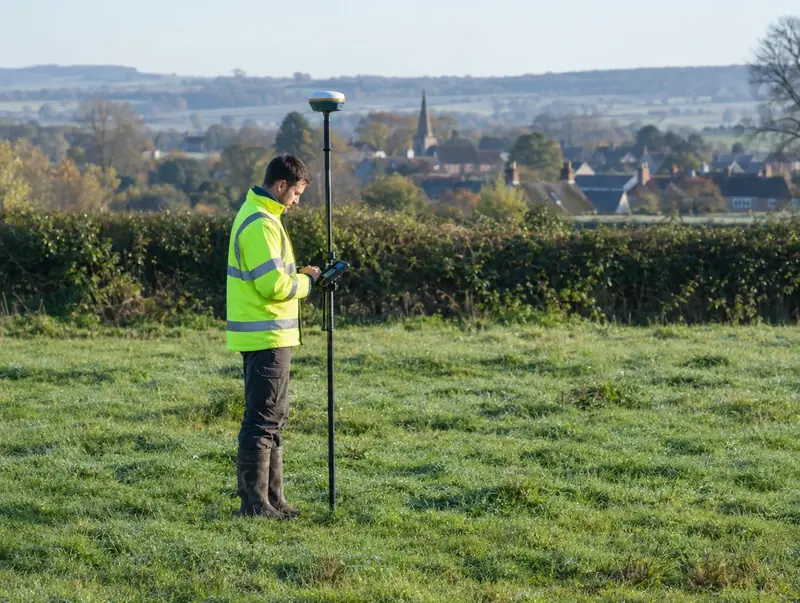 Scottish Borders
Free site appraisal
Tell us about your land and we will call you back. No cost, no obligation.
Prefer to talk? Call 0800 088 6248.
- Free site appraisalNo cost, no obligation
- Legal fees coveredReasonable fees, on options and promotion
- Nothing to pay upfrontOn promotion: we fund planning
- Direct purchaseSuitable sites, with or without planning
- UK-wideEngland, Wales, Scotland and NI
Land we look at around Scottish Borders
Across Scottish Borders, we cover Galashiels and 3 other towns, among them Hawick, Kelso and Peebles. If your land is near a boundary, we also cover Edinburgh & the Lothians, Fife and Forth Valley.
Sites worth a conversation around Scottish Borders: backland plots with a workable access, redundant commercial buildings and redundant agricultural buildings. As Scottish Borders is in Scotland, applications are judged against National Planning Framework 4, and the buyer of land pays Land and Buildings Transaction Tax (LBTT).
Send us a postcode in or near TD1 and we will start with a free desktop appraisal.
How we work in Scottish Borders
Constraints checked first
Flood risk, access, heritage, ecology, protected trees and landscape designations can each decide whether planning is realistic. We look at all of these before discussing any deal or price mechanism with you.
Planning funded on promotion
Nothing to pay upfront: on a promotion agreement we fund the planning work, and those costs are recovered from the sale proceeds only if the land sells with planning. The detail is set out in the heads of terms.
Overage protects the upside
If you sell now, an overage clause can entitle you to a further payment if a more valuable permission is granted later. We explain how triggers, duration and security are usually set out.
Conditional contracts
Contracts are signed now, but the sale only completes if a satisfactory planning permission is granted by a longstop date. The price is usually fixed, or set by an agreed formula, when the contract is signed.
Rules that apply in Scottish Borders
Scottish land deals differ from the rest of the UK in a few ways: contracts are concluded by missives, consent in principle is called planning permission in principle, and developer contributions use Section 75 agreements. Land to Homes works within those rules around Scottish Borders, whether buying a suitable site directly with no onward chain, subject to survey, title and contract, or promoting it through planning with nothing to pay upfront. Planning permission is never guaranteed, so we explain the risks plainly.
In Scotland, the Local Development Plan and National Planning Framework 4 decide where housing goes. Land is often sold on missives with a suspensive condition that planning permission in principle is granted. Under the newer plan system councils prepare an evidence report before the proposed plan, so landowners benefit from engaging early.
| National planning policy | National Planning Framework 4 (NPF4), which forms part of the statutory development plan |
|---|---|
| Local planning document | Local Development Plan (LDP) |
| Who decides applications | The council as planning authority (or a national park authority in its area) |
| In-principle consent | Planning permission in principle (PPP), followed by approval of matters specified in conditions |
| Land transaction tax (paid by the buyer) | Land and Buildings Transaction Tax (LBTT) |
| Land registration | Registers of Scotland (Land Register of Scotland) |
| How a sale becomes binding | Land sales are concluded through missives, formal letters exchanged between solicitors that become a binding contract once concluded, followed by settlement on the date of entry and registration in the Land Register of Scotland. |
| Developer contributions | Section 75 planning obligations, with Section 69 agreements sometimes used for simple one-off payments |
Your questions answered for Scottish Borders
What if my land has been refused planning before?
A previous refusal is useful evidence, not necessarily the end of the story. Policy changes, new local plans and a different scheme can lead to a different outcome. We read the refusal reasons and any appeal decision before giving a view on whether a fresh approach is realistic and worth the cost.
Can I get planning on land outside the settlement boundary?
Sometimes. Land just outside a boundary is usually treated as countryside, where new housing is restricted. Prospects improve if the council allocates the land in a new plan, or where national policy gives weight to unmet housing need. Each nation handles this differently, so we explain the position for your council area.
What is a subject to planning contract?
It is a contract where both sides commit now, but the sale only completes if a satisfactory planning permission is granted. It sets a longstop date, defines what counts as satisfactory and usually says who controls the application. If permission is not granted by the longstop date, either side can normally withdraw without penalty.
Should I apply for planning permission myself before selling?
You can, but an application costs money in surveys, reports and fees, and a refusal can make the land harder to sell. A scheme designed by someone who does not intend to build may also not suit housebuilders. Many landowners prefer a partner who carries the cost and risk of planning instead.
Do you work with landowners in Scottish Borders?
We do. We work with landowners across Scottish Borders, including Peebles, Kelso and Galashiels. Send us a postcode and we will start with a free, no-obligation appraisal of what the land could take.
Read more: Sell Land Without Planning · Guide: Planning permission explained for landowners