
Sell Land Without Planning in Buckinghamshire
Land without planning permission in Buckinghamshire can still be sold for development. Its value rests on hope, meaning how likely it is that new homes will be allowed. Land to Homes can buy suitable sites as they stand, agree a contract that completes only if planning is granted, or partner with you through an option or promotion agreement.
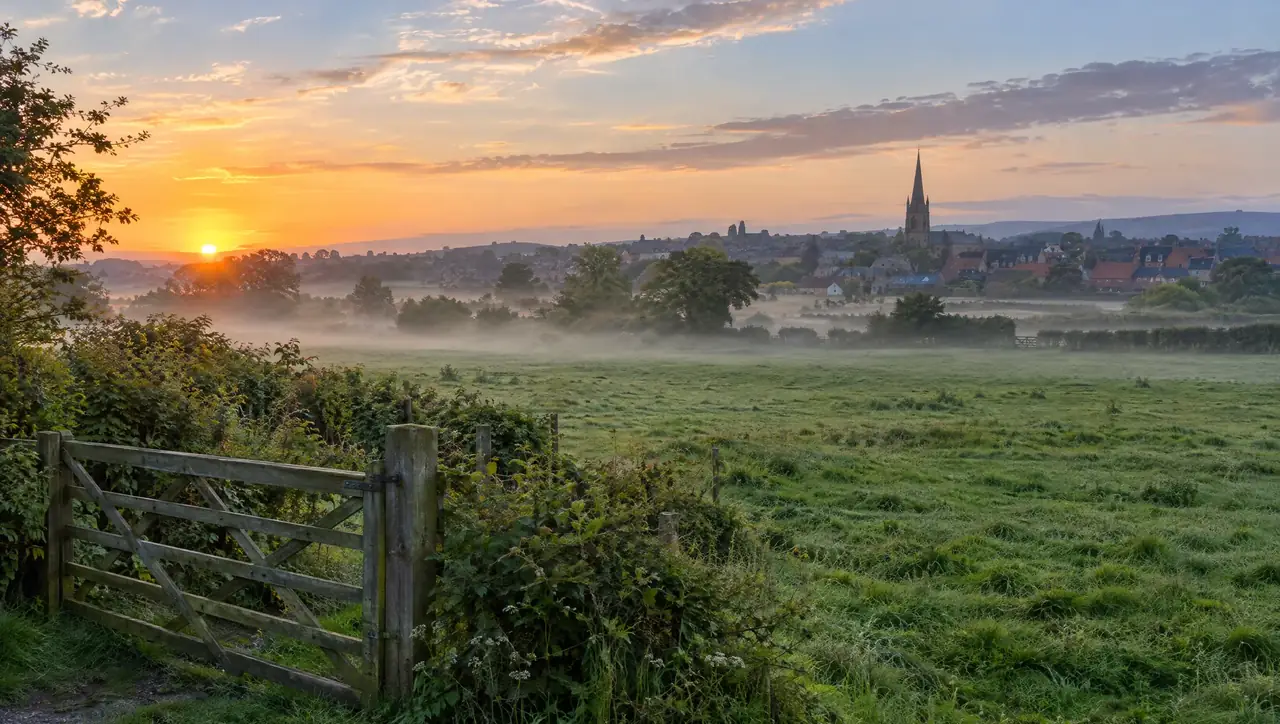 Buckinghamshire
Free site appraisal
Tell us about your land and we will call you back. No cost, no obligation.
Prefer to talk? Call 0800 088 6248.
- Free site appraisalNo cost, no obligation
- Legal fees coveredReasonable fees, on options and promotion
- Nothing to pay upfrontOn promotion: we fund planning
- Direct purchaseSuitable sites, with or without planning
- UK-wideEngland, Wales, Scotland and NI
Selling land around Buckinghamshire
Across Buckinghamshire, we cover Milton Keynes and 7 other towns, among them Aylesbury, Chesham and Bletchley. If your land is near a boundary, we also cover Bedfordshire, Hertfordshire and Berkshire.
Typical sites we review near Buckinghamshire include redundant commercial buildings, infill gaps along existing streets and corner plots and side gardens. In England, where Buckinghamshire sits, planning decisions are made by the local planning authority, usually the district, borough, city or unitary council (or a national park authority).
If you own land near Buckinghamshire, the first step is a free, no-obligation appraisal.
What you get in Buckinghamshire
Buying land as it stands
Where we can see a planning route we are prepared to back, we can buy your land as it stands, with no onward chain, subject to survey, title and contract.
Constraints checked first
Flood risk, access, heritage, ecology, protected trees and landscape designations can each decide whether planning is realistic. We look at all of these before discussing any deal or price mechanism with you.
Option or promotion routes
Where planning will take longer, an option or promotion agreement lets us fund the application while you keep ownership. We explain the difference, including who benefits from a higher or lower sale price.
Local plan timing
Councils review their development plans periodically and invite landowners to put sites forward. We check where your council is in that cycle, because it can matter more than any single application.
Planning in Buckinghamshire: the English rules
Selling development land in Buckinghamshire usually starts with heads of terms, a short written summary of price, conditions and fees, before solicitors draft the contract. In England the sale becomes binding on exchange of contracts and finishes on completion, with the title then registered at HM Land Registry. The buyer normally pays Stamp Duty Land Tax. On option and promotion agreements with Land to Homes, your reasonable legal fees are covered, with the amount agreed in the heads of terms.
In England, the starting point is the Local Plan and the National Planning Policy Framework. Councils assess land put forward in a housing and economic land availability assessment. Smaller housing-led sites can apply for Permission in Principle to test whether the location is acceptable, and some Green Belt land may now be assessed as grey belt.
| National planning policy | National Planning Policy Framework (NPPF), revised August 2026, with national planning practice guidance |
|---|---|
| Local planning document | Local Plan |
| Who decides applications | The local planning authority, usually the district, borough, city or unitary council (or a national park authority) |
| In-principle consent | Outline planning permission, with reserved matters approved later |
| Land transaction tax (paid by the buyer) | Stamp Duty Land Tax (SDLT) |
| Land registration | HM Land Registry |
| How a sale becomes binding | A land sale becomes legally binding on exchange of contracts and finishes on completion, after which the buyer registers the title with HM Land Registry. |
| Developer contributions | Section 106 planning obligations, plus the Community Infrastructure Levy (CIL) where the council charges it |
Questions about Sell Land Without Planning in Buckinghamshire
Should I apply for planning permission myself before selling?
You can, but an application costs money in surveys, reports and fees, and a refusal can make the land harder to sell. A scheme designed by someone who does not intend to build may also not suit housebuilders. Many landowners prefer a partner who carries the cost and risk of planning instead.
What if my land has been refused planning before?
A previous refusal is useful evidence, not necessarily the end of the story. Policy changes, new local plans and a different scheme can lead to a different outcome. We read the refusal reasons and any appeal decision before giving a view on whether a fresh approach is realistic and worth the cost.
What is hope value?
Hope value is the extra amount a buyer will pay above a site's existing use value because there is a realistic prospect of planning permission. The stronger the prospect, and the sooner permission could realistically come, the higher the hope value tends to be. It is lower than the value with permission, because the buyer carries the planning risk.
What is a subject to planning contract?
It is a contract where both sides commit now, but the sale only completes if a satisfactory planning permission is granted. It sets a longstop date, defines what counts as satisfactory and usually says who controls the application. If permission is not granted by the longstop date, either side can normally withdraw without penalty.
Do you work with landowners in Buckinghamshire?
We do. We work with landowners across Buckinghamshire, including Bletchley, Gerrards Cross and Chesham. Send us a postcode and we will start with a free, no-obligation appraisal of what the land could take.
Read more: Sell Land Without Planning · Guide: How is development land valued?