
Land Promotion Agreements in Caerphilly
With promotion, you keep your land in Caerphilly while Land to Homes pays for the surveys, design and planning application. There is nothing to pay upfront: costs are recovered from the sale proceeds only if the land sells with planning. A minimum price agreed at the start means you are not obliged to sell below that figure.
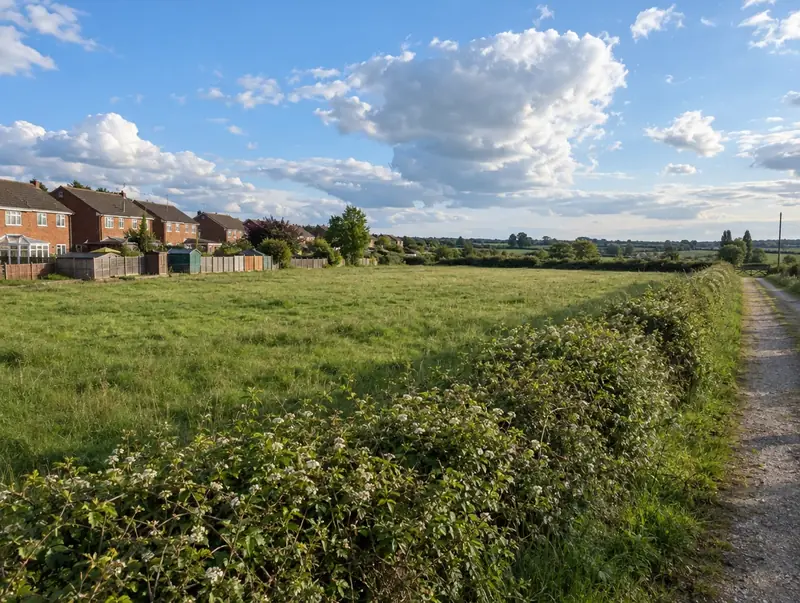 Caerphilly · CF83
Free site appraisal
Tell us about your land and we will call you back. No cost, no obligation.
Prefer to talk? Call 0800 088 6248.
- Free site appraisalNo cost, no obligation
- Legal fees coveredReasonable fees, on options and promotion
- Nothing to pay upfrontOn promotion: we fund planning
- Direct purchaseSuitable sites, with or without planning
- UK-wideEngland, Wales, Scotland and NI
Our coverage in Caerphilly
In Gwent, Caerphilly lies about 9 miles west of Newport; its central postcode district is CF83. Nearby, we also cover Risca, Pontypridd and Cardiff, all within 7 miles.
Typical sites we review near Caerphilly include redundant agricultural buildings, small holdings and pony paddocks and farmland next to the settlement boundary. As Caerphilly is in Wales, applications are judged against Planning Policy Wales, and the buyer of land pays Land Transaction Tax (LTT).
Tell us where your land is around Caerphilly and we will explain the routes open to you.
How we work in Caerphilly
Interests aligned on price
The promoter's fee is linked to the sale price, so we only do well if you do. That is the main difference from an option, where the buyer benefits from a lower valuation.
Clear fee and cost rules
The heads of terms state the fee, which costs can be recovered and whether any cap applies, so you can see what will come out of the proceeds before you sign.
Strategic planning work
Larger sites often need representations to the development plan, studies on transport, drainage and ecology, and engagement with the local community. We manage that work and report progress to you.
Minimum price agreed early
The agreement sets a floor below which you cannot be required to sell. Some agreements allow it to be reviewed by an independent surveyor if the market moves during the term.
Planning and land rules in Caerphilly
Selling land in Caerphilly follows the same legal steps as in England: heads of terms, then exchange of contracts, which makes the deal binding, and completion. Titles are registered with HM Land Registry, but the buyer pays Land Transaction Tax to the Welsh Revenue Authority rather than Stamp Duty Land Tax. Planning obligations are usually secured through a Section 106 agreement, with the Community Infrastructure Levy charged only where the council has adopted it.
In Wales, the route for larger sites is usually allocation in a replacement Local Development Plan, starting with the candidate site process. The promotion budget should cover sustainable drainage approval from the SuDS approving body, Welsh language or phosphate assessments where relevant, and Section 106 obligations. The buyer pays Land Transaction Tax on the eventual purchase.
| Who decides applications | The local planning authority, usually the county or county borough council (or a national park authority) |
|---|---|
| Land transaction tax (paid by the buyer) | Land Transaction Tax (LTT) |
| Land registration | HM Land Registry |
| How a sale becomes binding | As in England, a land sale becomes legally binding on exchange of contracts and finishes on completion, with the title registered at HM Land Registry. |
Common questions in Caerphilly
Is a promotion agreement better than an option?
Neither is better in every case. Promotion often suits larger sites where open-market competition is likely to drive the price and the landowner wants transparency. An option can suit smaller or more complex sites where one committed buyer matters more. Our guide to option and promotion agreements compares the two.
Will I have a say over who buys the land?
Usually, yes. Promotion agreements typically involve the landowner in agreeing the marketing approach and the choice of buyer, subject to the minimum price. Where several bids meet the minimum, the agreement sets out how the preferred bid is chosen and what happens if the parties disagree.
How does a land promotion agreement work?
The landowner and promoter sign an agreement for a set term. The promoter funds and runs the planning process. If permission is granted, the land is sold on the open market, provided offers meet an agreed minimum price. From the proceeds, the promoter recovers its costs and takes an agreed fee, and the landowner receives the balance.
What is a minimum price in a promotion agreement?
It is the lowest figure at which the landowner can be required to sell once planning is granted. It protects you from a sale in a weak market. Set it too high and the land may not sell; set it too low and it gives little protection. Some agreements allow review by an independent surveyor.
Do you work with landowners in Caerphilly?
We do. We work with landowners in Caerphilly and elsewhere in Gwent, including Pontypool, Risca and Newport. Send us a postcode and we will start with a free, no-obligation appraisal of what the land could take.
Read more: Land Promotion Agreements · Guide: Who pays for land promotion? Fees, costs and legal fees explained