
Sell an Infill Plot in City of Westminster
An infill plot in City of Westminster is a gap in an otherwise built-up street or frontage, such as land between two houses, a side garden at the end of a terrace, or a cleared site in a row. Because it fills a gap rather than extending a settlement, it often has policy support, but design and neighbour impact are scrutinised closely.
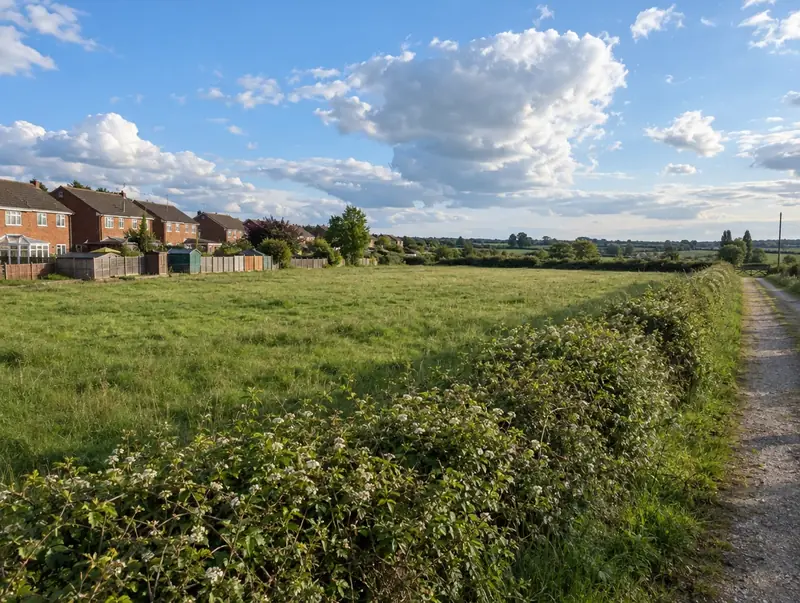 City of Westminster · W2
Free site appraisal
Tell us about your land and we will call you back. No cost, no obligation.
Prefer to talk? Call 0800 088 6248.
- Free site appraisalNo cost, no obligation
- Legal fees coveredReasonable fees, on options and promotion
- Nothing to pay upfrontOn promotion: we fund planning
- Direct purchaseSuitable sites, with or without planning
- UK-wideEngland, Wales, Scotland and NI
Our coverage in City of Westminster
City of Westminster (W2) is one of the Greater London towns we cover, about a mile south-west of London. Close by, our coverage also takes in Pimlico, London and Chelsea. City of Westminster is part of England’s London region.
Sites worth a conversation around City of Westminster: corner plots and side gardens, former garage blocks and yards and land behind street frontages. In England, where City of Westminster sits, planning decisions are made by the local planning authority, usually the district, borough, city or unitary council (or a national park authority).
Tell us where your land is around City of Westminster and we will explain the routes open to you.
What you get in City of Westminster
Street scene first
Councils look at the building line, roof heights, plot widths and materials along the street. A new home that follows that pattern has a much better chance of approval than one that ignores it.
Party walls and boundaries
Building on or near a shared boundary can trigger party wall procedures in England and Wales. Clear boundaries on the title plan help avoid disputes with neighbours later on.
Self-builder or developer
Some infill plots suit individual self-builders, while others suit a developer building several homes. We explain who is likely to want your plot and what that means for the deal.
Village infill policies
Some rural policies allow limited infilling within villages even where wider development is restricted. We check whether your plot falls within the exact wording of those rules.
Planning in City of Westminster: the English rules
Whether a field or large garden could take homes depends mostly on the council's Local Plan and national policy. Under the National Planning Policy Framework, plans define settlement boundaries, and land just outside City of Westminster may still come forward if it is allocated, previously developed or meets evidenced unmet housing need. Smaller housing schemes can also use Permission in Principle, an England-only route that settles location, use and amount first. Our free appraisal explains which route suits your land.
In England, the NPPF supports small sites and treats limited infilling in villages as an exception within the Green Belt. Smaller schemes can test the principle of housing through Permission in Principle before detailed design. Party wall procedures apply where work affects a shared wall or boundary, and buyers pay Stamp Duty Land Tax.
| Local planning document | Local Plan |
|---|---|
| Who decides applications | The local planning authority, usually the district, borough, city or unitary council (or a national park authority) |
| Land transaction tax (paid by the buyer) | Stamp Duty Land Tax (SDLT) |
| Developer contributions | Section 106 planning obligations, plus the Community Infrastructure Levy (CIL) where the council charges it |
Your questions answered for City of Westminster
How small can a plot be for a new house?
There is no single minimum. It depends on the width of the frontage, the size of neighbouring plots, space standards for the new home, garden and parking requirements, and how the design fits the street. A narrow plot may still work for a terraced design that continues an existing row.
Should I sell an infill plot with or without planning?
Selling with permission usually achieves a higher price, but means paying for drawings, surveys and fees yourself and accepting the risk of refusal. Selling without planning is simpler and passes that risk to the buyer. A contract conditional on planning sits between the two and suits many small plots.
Is it easier to get planning permission for infill?
Often, because infill makes use of land within a settlement. But councils still refuse infill that harms the character of the street, neighbours' amenity or highway safety. In some rural areas, infill policies are tightly defined, so it pays to check the exact policy wording for your area.
Can I sell the side garden of my end-of-terrace house?
Often, yes, where the side garden is wide enough for a new home that continues the terrace or stands as a separate detached house. Consider the impact on your own home, parking and garden, and whether your mortgage lender will agree to release the land.
Do you buy land in City of Westminster?
Yes. Land to Homes looks at land in City of Westminster and elsewhere in Greater London, including Highbury, Chingford and Surbiton. Every enquiry starts with a free site appraisal, and on option and promotion agreements we pay your reasonable legal fees.
Read more: Sell an Infill Plot · Guide: Selling part of your garden: what you need to know