
Sell Garden Land and Backland in Leicestershire
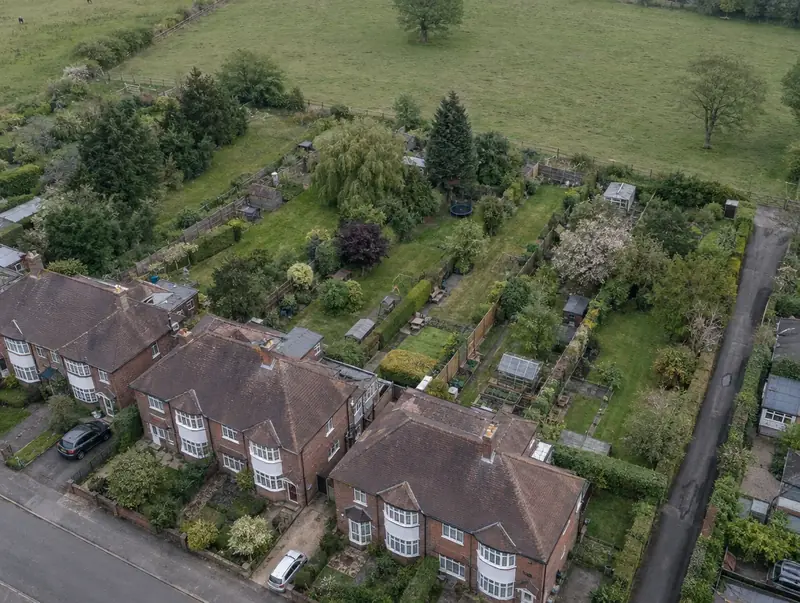
Selling part of your garden in Leicestershire for a new home can work well, but the details decide it: the width and route of the access, overlooking, trees, drainage and any covenants on your title. Land to Homes gives a free, no-obligation appraisal and tells you plainly if the plot is unlikely to get permission.
 Leicestershire
Free site appraisal
Tell us about your land and we will call you back. No cost, no obligation.
Prefer to talk? Call 0800 088 6248.
- Free site appraisalNo cost, no obligation
- Legal fees coveredReasonable fees, on options and promotion
- Nothing to pay upfrontOn promotion: we fund planning
- Direct purchaseSuitable sites, with or without planning
- UK-wideEngland, Wales, Scotland and NI
Land and sites near Leicestershire
We cover 8 places across Leicestershire: Leicester is the main one, alongside Oadby, Market Harborough and Hinckley. Neighbouring areas we also cover include Rutland, Warwickshire and Northamptonshire. Leicestershire is close to our head office in Great Barr, Birmingham.
Around Leicestershire we look at farmland next to the settlement boundary, corner plots and side gardens and former garage blocks and yards. Planning in Leicestershire follows England’s rules: the National Planning Policy Framework sets national policy and the council’s Local Plan sets local policy.
Send us a postcode in or near LE1 and we will start with a free desktop appraisal.
What you get in Leicestershire
Access comes first
Most garden schemes stand or fall on access. The drive must be wide enough for cars, refuse collection and emergency vehicles, with safe visibility at the road, under the highway authority's design guidance.
Your retained house matters
Selling part of a garden changes the house you keep: outside space, parking, privacy and value. We look at any scheme from your side as well as from the buyer's.
Neighbour impact assessed
Councils look at overlooking, loss of light, noise from a new drive and whether the plot is in keeping with the area. We assess these early, because they are common reasons for refusal.
Mortgage lender consent
If your house is mortgaged, the lender's charge usually covers the whole garden. You will normally need the lender to release the part being sold, which your solicitor arranges as part of the sale.
Planning in Leicestershire: the English rules
In England, most planning applications for new homes in Leicestershire are decided by the local planning authority, usually the council, using its Local Plan and the National Planning Policy Framework. Many landowners sell without planning, either outright or through an option or promotion agreement that funds the application first. Land to Homes offers a free site appraisal, pays your reasonable legal fees on option and promotion agreements, and can buy suitable sites directly, subject to survey, title and contract.
In England, the NPPF excludes private residential gardens in built-up areas from its definition of previously developed land, and many Local Plans have specific garden development policies. Recent changes exempt many very small sites from biodiversity net gain, subject to conditions. Restrictive covenants can be modified or discharged by the Upper Tribunal (Lands Chamber).
| National planning policy | National Planning Policy Framework (NPPF), revised August 2026, with national planning practice guidance |
|---|---|
| Local planning document | Local Plan |
| Who decides applications | The local planning authority, usually the district, borough, city or unitary council (or a national park authority) |
| In-principle consent | Outline planning permission, with reserved matters approved later |
| Land transaction tax (paid by the buyer) | Stamp Duty Land Tax (SDLT) |
| Land registration | HM Land Registry |
| How a sale becomes binding | A land sale becomes legally binding on exchange of contracts and finishes on completion, after which the buyer registers the title with HM Land Registry. |
| Developer contributions | Section 106 planning obligations, plus the Community Infrastructure Levy (CIL) where the council charges it |
Your questions answered for Leicestershire
What is backland development?
Backland development means building homes on land behind an existing row of houses, usually reached by a new access running between them. Many councils have specific policy on it, focused on access, privacy, the character of the area and avoiding piecemeal schemes that would block a better-planned layout later.
What if my title has a covenant against building?
A restrictive covenant can prevent or limit new homes even when planning permission is granted. Options include negotiating a release with whoever benefits from it, indemnity insurance where enforcement looks unlikely, or applying to the relevant tribunal to modify or discharge it. Take legal advice early, because it affects any buyer.
Will selling part of my garden affect the value of my house?
It can. A smaller garden, a new drive alongside your home or a new neighbour closer to your boundary may reduce its value, even though the sale brings in money. A local estate agent can advise on the effect on your house, so you can weigh the two together before deciding.
What is tandem development?
Tandem development is a new house placed directly behind an existing one, sharing or running alongside the same access. Councils often resist it because of noise and disturbance from cars passing the front house and overlooking between the two. A wider plot with its own access is usually viewed more positively.
Is Leicestershire an area you cover for land?
Yes, we cover land across Leicestershire, including Oadby, Wigston and Melton Mowbray. Where a site suits us we can buy it directly, or set up an option or promotion agreement. On promotion there is nothing to pay upfront.
Read more: Sell Garden Land and Backland · Guide: Overage and clawback: how they work when you sell land