
Funding and Investment Partners in Harrow
Funding partners in Harrow are the lenders, institutional partners and landowners who provide the capital to buy land and build new homes. Land to Homes talks to development lenders and professional partners about specific sites and structures. Nothing on this site is an offer or invitation to invest, and we do not take deposits or money from the public.
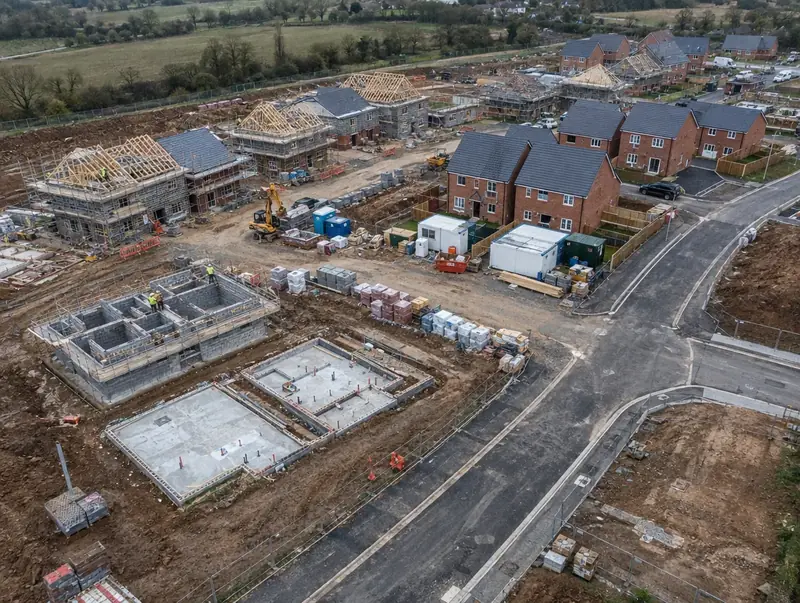 Harrow · HA2
Start a conversation
Tell us about your organisation or opportunity and we will call you back.
Prefer to talk? Call 0800 088 6248.
- Private conversationsEvery arrangement documented
- Land to homesLand, planning and construction
- Housing partnersCouncils and housing associations
- No public offerNothing here is an offer to invest
- UK-wideEngland, Wales, Scotland and NI
Working together in Harrow
About 10 miles north-west of London, Harrow is part of our Greater London coverage, centred on postcode district HA2. The nearest other places we cover are Wembley (2 miles), Northolt (3 miles) and Greenford (4 miles). Harrow is in the London region of England.
Partnerships we can discuss around Harrow include joint ventures with landowners, social rent homes and mixed-tenure developments. As Harrow is in England, applications are judged against the National Planning Policy Framework, and the buyer of land pays Stamp Duty Land Tax (SDLT).
Tell us about the opportunity near Harrow and the right person will call you back.
How we work in Harrow
Advice from your own advisers
We do not give legal, tax or financial advice. Every party should take independent advice before entering into any agreement with us.
Development lenders
We discuss senior and mezzanine development finance with lenders on a site-by-site basis, with security and terms agreed through each party's solicitors.
Part of the S&K Group
Land to Homes is part of the S&K Group, a Birmingham-based construction and property group whose businesses include glazing, building supplies and property improvement.
Forward funding and purchase
For build to rent and affordable homes, we discuss forward funding and forward purchase structures with institutional and registered provider partners.
Rules that apply in Harrow
Whether a field or large garden could take homes depends mostly on the council's Local Plan and national policy. Under the National Planning Policy Framework, plans define settlement boundaries, and land just outside Harrow may still come forward if it is allocated, previously developed or meets evidenced unmet housing need. Smaller housing schemes can also use Permission in Principle, an England-only route that settles location, use and amount first. Our free appraisal explains which route suits your land.
In England, land purchases usually attract Stamp Duty Land Tax, and lenders take a legal charge registered at HM Land Registry. Scheme appraisals must allow for Section 106 obligations, the Community Infrastructure Levy where charged, and biodiversity net gain. Homes England is the government's housing and regeneration agency and runs public funding programmes for housing.
| National planning policy | National Planning Policy Framework (NPPF), revised August 2026, with national planning practice guidance |
|---|---|
| Local planning document | Local Plan |
| Land transaction tax (paid by the buyer) | Stamp Duty Land Tax (SDLT) |
| Developer contributions | Section 106 planning obligations, plus the Community Infrastructure Levy (CIL) where the council charges it |
Funding and Investment Partners in Harrow: questions
How is forward purchase different from forward funding?
With forward funding, the investor pays for the land and construction as the scheme is built. With forward purchase, the investor commits to buy the completed homes, but the developer arranges construction finance in the meantime. The choice affects risk, cost and timing for both parties, so each takes its own advice before agreeing terms.
How can a landowner co-invest in a development?
Instead of selling outright, a landowner can put land into a joint venture with a developer, agreeing how costs, decisions and proceeds are shared. This can suit landowners who want a longer-term involvement. It carries more risk than a sale, so independent legal, tax and financial advice is essential before agreeing any terms.
What types of funding do residential developments use?
Typically a mix of senior development debt, sometimes mezzanine debt, and equity from the developer and its partners. Build to rent and affordable homes may use forward funding or forward purchase by an institution or registered provider. Landowners can also contribute land through a joint venture. The right structure depends on the scheme, and each party takes independent advice.
What information do funding partners usually review?
Partners usually review the site title, the planning position, the scheme appraisal, the build programme, the construction approach, the plan for selling or letting the homes and the developer's background. Each carries out its own due diligence, often with valuers, monitoring surveyors and solicitors. We share site-specific information under confidentiality where appropriate.
Do you work with partners on schemes in Harrow?
Yes. We discuss schemes in Harrow and elsewhere in Greater London, including Hounslow, Isleworth and City of Westminster privately with professional partners. Nothing on this website is an offer or invitation to invest.
Read more: Funding and Investment Partners · Guide: Ransom strips and access: what landowners need to know