
Sell Farmland and Paddocks in West Sussex
A paddock in West Sussex used for grazing or horses can be worth far more as housing land, but only if planning is realistic. Land to Homes looks at the settlement boundary, access from the road, flood risk and the development plan, then tells you which route gives you the clearest outcome for that field.
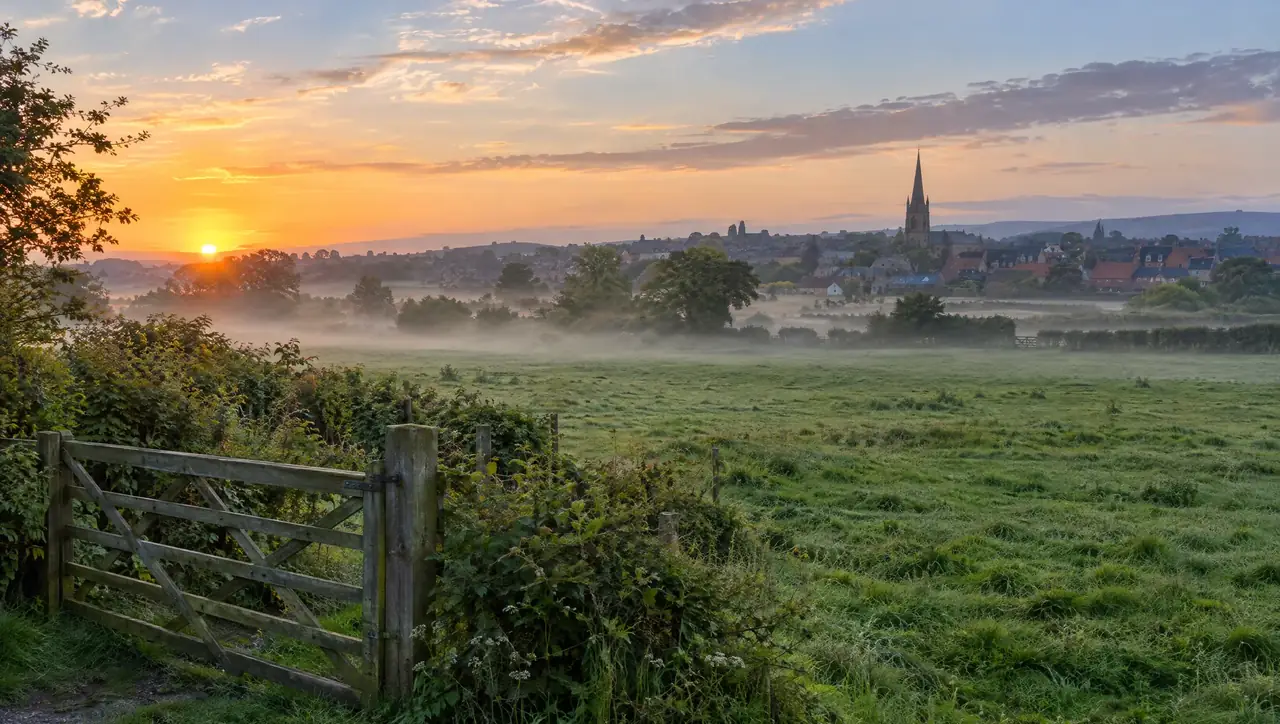 West Sussex
Free site appraisal
Tell us about your land and we will call you back. No cost, no obligation.
Prefer to talk? Call 0800 088 6248.
- Free site appraisalNo cost, no obligation
- Legal fees coveredReasonable fees, on options and promotion
- Nothing to pay upfrontOn promotion: we fund planning
- Direct purchaseSuitable sites, with or without planning
- UK-wideEngland, Wales, Scotland and NI
Land we look at around West Sussex
Our West Sussex coverage takes in 9 towns and cities, centred on Crawley and including Chichester, Worthing and Bognor Regis. Neighbouring areas we also cover include East Sussex, Surrey and Hampshire.
In and around West Sussex, the land we appraise ranges from paddocks on the edge of Crawley to fields put forward or allocated in the local plan, including corner plots and side gardens. As West Sussex is in England, applications are judged against the National Planning Policy Framework, and the buyer of land pays Stamp Duty Land Tax (SDLT).
If you own land near West Sussex, the first step is a free, no-obligation appraisal.
Why work with Land to Homes in West Sussex
Fees covered on options
On option and promotion agreements we pay your reasonable legal fees, with the amount agreed up front in the heads of terms, so specialist rural legal advice is within reach.
Farm schemes considered
If the land is in an agri-environment or farm support agreement, taking it out may have consequences, including possible repayments. Check the scheme rules before you sign anything with anyone.
Land quality and flood risk
Planning policy tends to protect higher-grade farmland, and flood zones can rule land out entirely. We check agricultural land quality mapping and flood maps early, before any detailed discussion of terms.
Edge-of-settlement focus
Fields that adjoin existing homes, roads and services have the strongest planning prospects. Isolated fields deep in open countryside rarely suit housing, and if that applies to yours, we will say so.
The English system, as it applies in West Sussex
In England, most planning applications for new homes in West Sussex are decided by the local planning authority, usually the council, using its Local Plan and the National Planning Policy Framework. Many landowners sell without planning, either outright or through an option or promotion agreement that funds the application first. Land to Homes offers a free site appraisal, pays your reasonable legal fees on option and promotion agreements, and can buy suitable sites directly, subject to survey, title and contract.
In England, the NPPF asks councils to take account of the value of higher-quality farmland, and Local Plans set settlement boundaries. Agricultural tenancies may fall under the Agricultural Holdings Act 1986 or be farm business tenancies, each with its own rules. Land in Environmental Land Management or Countryside Stewardship agreements needs checking before it is taken out.
| National planning policy | National Planning Policy Framework (NPPF), revised August 2026, with national planning practice guidance |
|---|---|
| Local planning document | Local Plan |
| Who decides applications | The local planning authority, usually the district, borough, city or unitary council (or a national park authority) |
| In-principle consent | Outline planning permission, with reserved matters approved later |
| Land transaction tax (paid by the buyer) | Stamp Duty Land Tax (SDLT) |
| Land registration | HM Land Registry |
| How a sale becomes binding | A land sale becomes legally binding on exchange of contracts and finishes on completion, after which the buyer registers the title with HM Land Registry. |
| Developer contributions | Section 106 planning obligations, plus the Community Infrastructure Levy (CIL) where the council charges it |
Sell Farmland and Paddocks in West Sussex: questions
What is an overage clause on farmland?
Overage is a promise by the buyer to make a further payment if a defined event happens after the sale, typically planning permission for a more valuable use. It is common when farmland sells at agricultural value. The key terms are the trigger, the share payable, the duration and how the promise is secured.
Can I sell a paddock for housing?
Often, if it sits within or next to a settlement and has safe road access. Paddocks behind existing homes are common development sites. Those in open countryside, or with poor access, rarely get permission. We check the development plan and site constraints before suggesting any route or deal structure.
How do I keep access to the rest of my farm?
Through rights reserved in the agreement and the eventual transfer. These can include a right of way through the new estate road, service connections and drainage routes for retained land. Plan them early, because once a layout is approved it is much harder to add access later.
Is agricultural land worth more with planning permission?
Usually much more, because residential land values are generally far higher than farming values. Even without permission, land with realistic prospects can attract hope value. The gap depends on location, how many homes could be built and the costs a builder faces. Our free appraisal explains the factors for your field.
Do you work with landowners in West Sussex?
We do. We work with landowners across West Sussex, including Haywards Heath, Littlehampton and East Grinstead. Send us a postcode and we will start with a free, no-obligation appraisal of what the land could take.
Read more: Sell Farmland and Paddocks · Guide: Green Belt and grey belt land explained