
Affordable Housing in Isle of Wight
If you are hoping to rent or buy an affordable home in Isle of Wight, the first contact is usually the council or a housing association, not the developer. They decide who is eligible and who is offered each home. Developers such as Land to Homes deliver affordable homes, often secured through planning obligations, and hand them to a registered provider to manage or sell.
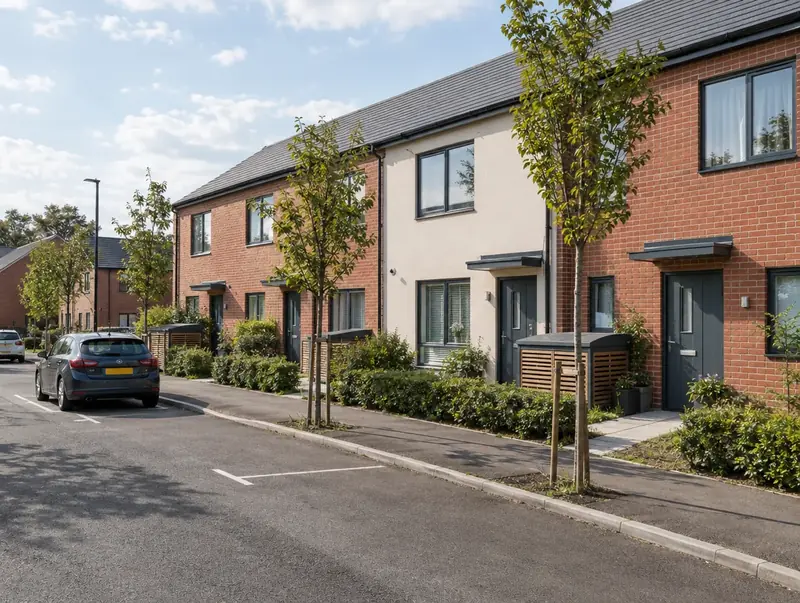 Isle of Wight
Register your interest
Tell us where you want to live and what you need. Free, no obligation.
Registering interest is not a housing application. Social and affordable homes are allocated by councils and housing providers through their own lists.
Prefer to talk? Call 0800 088 6248.
- Free to registerNo fees, no deposit, no obligation
- Hear firstIf homes are released near you
- Affordable homesWith councils and housing associations
- Clear informationTenure, specification and warranty
- UK-wideEngland, Wales, Scotland and NI
Homes we plan around Isle of Wight
Our Isle of Wight coverage takes in 4 towns and cities, centred on Newport (Isle of Wight) and including Cowes, Ryde and Sandown. Next door, we also cover Hampshire, Dorset and West Sussex.
When you register for Isle of Wight, you can choose two- and three-bedroom family homes, homes for shared ownership or accessible and adaptable homes. Because Isle of Wight is in England, land titles are registered with HM Land Registry and transfers attract Stamp Duty Land Tax (SDLT).
Register for Isle of Wight and we will contact you if we bring homes forward nearby.
Why work with Land to Homes in Isle of Wight
Help for landowners
We explain how affordable housing requirements affect what a site is worth, so landowners understand an offer rather than just receiving one.
Delivered through planning
Affordable homes are usually secured by a planning obligation, such as a Section 106 or Section 75 agreement, agreed with the council at planning stage.
Register interest
You can register interest with us, and we will point you to the council or provider responsible if affordable homes come forward on one of our sites.
Eligibility set by others
Who can apply is set by the council, the housing provider and the scheme rules. We explain the process, but we do not decide eligibility or allocations.
Planning in Isle of Wight: the English rules
Councils and housing associations around Isle of Wight can bid for grant through Homes England's Social and Affordable Homes Programme, which funds Social Rent, Affordable Rent at up to 80% of market rent, and shared ownership. Landlords of the rented homes must be registered with the Regulator of Social Housing. National policy also expects local plans to set a minimum Social Rent proportion for major development. Land to Homes is ready to discuss sites, partnership and delivery.
In England, affordable housing is defined in the National Planning Policy Framework and is usually secured through Section 106 agreements. Homes are transferred to registered providers regulated by the Regulator of Social Housing. Grant funding is usually channelled through Homes England, or the Greater London Authority in London. Tenures include social rent, affordable rent, shared ownership and discounted market sale.
| National planning policy | National Planning Policy Framework (NPPF), revised August 2026, with national planning practice guidance |
|---|---|
| Local planning document | Local Plan |
| Who decides applications | The local planning authority, usually the district, borough, city or unitary council (or a national park authority) |
| In-principle consent | Outline planning permission, with reserved matters approved later |
| Land transaction tax (paid by the buyer) | Stamp Duty Land Tax (SDLT) |
| Land registration | HM Land Registry |
| How a sale becomes binding | A land sale becomes legally binding on exchange of contracts and finishes on completion, after which the buyer registers the title with HM Land Registry. |
| Developer contributions | Section 106 planning obligations, plus the Community Infrastructure Levy (CIL) where the council charges it |
Affordable Housing in Isle of Wight: questions
How is affordable housing delivered on new developments?
Usually through planning. The council's development plan sets out how much affordable housing a scheme should provide, and the commitment is secured in a planning obligation. The developer builds the homes and transfers them to a registered provider at a price that reflects their affordable status, sometimes supported by public grant. The provider then lets or sells them.
What is shared ownership?
Shared ownership lets you buy a share of a home, usually with a mortgage, and pay rent to the housing provider on the remaining share. You can normally buy further shares over time, which is known as staircasing. Schemes and rules differ by nation and by provider, so check the details and take independent legal and financial advice before committing.
What counts as affordable housing?
Affordable housing is housing for sale or rent for people whose needs are not met by the market, provided on terms set by planning policy. It typically includes social rent, affordable rent, shared ownership and discounted market sale. The exact definitions differ by nation: England's are in the National Planning Policy Framework, and Wales, Scotland and Northern Ireland set their own.
What is the difference between social rent and affordable rent?
Social rent is the lowest-cost rented housing, with rents in England set using a government formula and kept low by policy or regulation elsewhere. Affordable rent, used mainly in England, is set by reference to local market rents and is usually higher than social rent. Both are let by councils and registered providers to eligible households.
Can I register for new homes in Isle of Wight?
Yes. Registering for Isle of Wight is free and does not commit you to anything. There are no homes available yet; if we bring homes forward in or near Isle of Wight, we will contact you.
Read more: Affordable Housing · Guide: Renting a new-build home: tenancy rules in England, Wales, Scotland and NI