
Social Housing in Mid Glamorgan
Social housing in Mid Glamorgan is low-cost rented housing owned and let by councils and housing associations to households in housing need, with rents kept well below market levels. Land to Homes aims to plan and build social rent homes on the sites it brings forward, working with councils and housing associations. We do not allocate homes: allocations are made by councils and housing providers through their own lists.
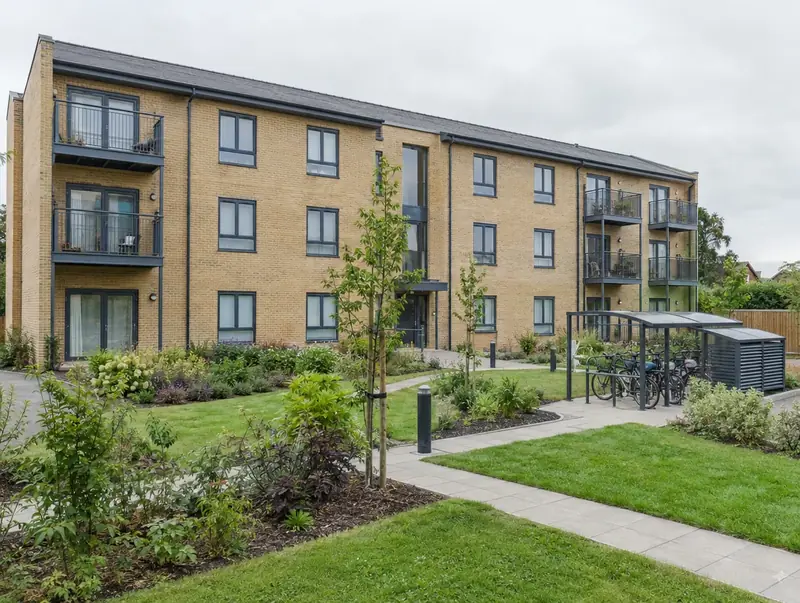 Mid Glamorgan
Register your interest
Tell us where you want to live and what you need. Free, no obligation.
Registering interest is not a housing application. Social and affordable homes are allocated by councils and housing providers through their own lists.
Prefer to talk? Call 0800 088 6248.
- Free to registerNo fees, no deposit, no obligation
- Hear firstIf homes are released near you
- Affordable homesWith councils and housing associations
- Clear informationTenure, specification and warranty
- UK-wideEngland, Wales, Scotland and NI
New homes around Mid Glamorgan
Across Mid Glamorgan, we cover Bridgend and 6 other towns, among them Maesteg, Aberdare and Merthyr Tydfil. If your land is near a boundary, we also cover Gwent, South Glamorgan and West Glamorgan.
Registrations for Mid Glamorgan cover homes for private rent, homes for shared ownership and accessible and adaptable homes. As Mid Glamorgan is in Wales, applications are judged against Planning Policy Wales, and the buyer of land pays Land Transaction Tax (LTT).
Register for Mid Glamorgan and we will contact you if we bring homes forward nearby.
How we work in Mid Glamorgan
Part of mixed schemes
Social rent homes are often the affordable housing element of a larger development, secured through a planning obligation agreed with the council.
Clear signposting
If you need a home, we point you to your council's housing team or, in Northern Ireland, the Northern Ireland Housing Executive.
Homes for the long term
Homes are designed for long-term letting, with durable materials, practical layouts and running costs for tenants kept in mind.
Nation-aware
Social housing law, regulation and funding differ across England, Wales, Scotland and Northern Ireland, and we work within each system.
How the rules work in Mid Glamorgan
Housing associations and councils planning new homes in Mid Glamorgan work within Welsh rules: grant comes from the Welsh Government's Social Housing Grant, tenants usually hold secure occupation contracts under the Renting Homes (Wales) Act 2016, and social landlords are registered and regulated by the Welsh Ministers. Land to Homes can supply land with or without planning, or build homes for transfer to a social landlord on completion.
In Wales, social homes are owned by councils and registered social landlords regulated by the Welsh Government. Tenants hold secure occupation contracts under the Renting Homes (Wales) Act 2016. Many councils run common housing registers with housing associations, and new homes funded by Social Housing Grant are usually built to the Welsh Development Quality Requirements.
| National planning policy | Planning Policy Wales (Edition 12) and Future Wales: the National Plan 2040, supported by Technical Advice Notes |
|---|---|
| Local planning document | Local Development Plan (LDP) |
| Who decides applications | The local planning authority, usually the county or county borough council (or a national park authority) |
| In-principle consent | Outline planning permission, with reserved matters approved later |
| Land transaction tax (paid by the buyer) | Land Transaction Tax (LTT) |
| Land registration | HM Land Registry |
| How a sale becomes binding | As in England, a land sale becomes legally binding on exchange of contracts and finishes on completion, with the title registered at HM Land Registry. |
| Developer contributions | Section 106 planning obligations, plus the Community Infrastructure Levy (CIL) where the council has adopted it |
Common questions in Mid Glamorgan
Who owns and manages new social homes?
A council or a housing association, often called a registered provider in England and a registered social landlord in Wales and Scotland. The landlord sets the rent within the rules that apply, handles repairs and manages tenancies. A developer such as Land to Homes builds the homes and transfers them, but does not manage them as a social landlord.
Does building new social homes shorten waiting lists?
New social homes add to the supply that councils and housing associations can allocate, which helps, but waiting times depend on local demand, turnover of existing homes and allocation policies. We cannot say how any individual household would be affected. Your council's housing team can explain local waiting times and your position on the list.
How are social rents set?
In England, social rents are set using a government formula under the Rent Standard, which the Regulator of Social Housing oversees. Wales has its own rent policy for social landlords, and in Scotland social landlords set rents in consultation with their tenants. Northern Ireland has its own arrangements. Social rents are generally well below private market levels.
Can I apply to Land to Homes for a social rent home?
No. Land to Homes does not allocate social housing or keep a housing list. Social homes are allocated by councils and housing associations through their own lists and policies. To apply, contact your council's housing team or local housing associations. In Northern Ireland, apply through the Northern Ireland Housing Executive, which manages the common waiting list.
Can I register for new homes in Mid Glamorgan?
Yes. Registering for Mid Glamorgan is free and does not commit you to anything. There are no homes available yet; if we bring homes forward in or near Mid Glamorgan, we will contact you.
Read more: Social Housing · Guide: How affordable and social homes are delivered across the UK