
Land Promotion Agreements in West Midlands
Promotion agreements are often used for larger sites in West Midlands that need a plan allocation or a major planning application. The agreement sets a term, a minimum price, the promoter's fee and how costs are recovered. Land to Homes explains each term in plain English and pays your reasonable legal fees, agreed up front in the heads of terms.
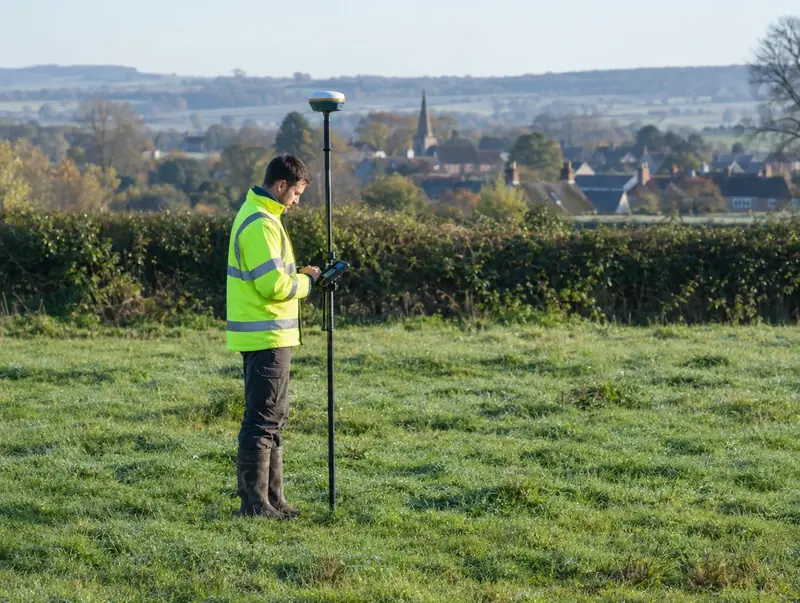 West Midlands
Free site appraisal
Tell us about your land and we will call you back. No cost, no obligation.
Prefer to talk? Call 0800 088 6248.
- Free site appraisalNo cost, no obligation
- Legal fees coveredReasonable fees, on options and promotion
- Nothing to pay upfrontOn promotion: we fund planning
- Direct purchaseSuitable sites, with or without planning
- UK-wideEngland, Wales, Scotland and NI
Our coverage in West Midlands
Our West Midlands coverage takes in 18 towns and cities, centred on Birmingham and including Solihull, Willenhall and Halesowen. Neighbouring areas we also cover include Worcestershire, Staffordshire and Warwickshire. West Midlands is close to our head office in Great Barr, Birmingham.
In and around West Midlands, the land we appraise ranges from land that already has planning permission to farmland next to the settlement boundary, including redundant commercial buildings. Planning in West Midlands follows England’s rules: the National Planning Policy Framework sets national policy and the council’s Local Plan sets local policy.
If you own land near West Midlands, the first step is a free, no-obligation appraisal.
How we work in West Midlands
Minimum price agreed early
The agreement sets a floor below which you cannot be required to sell. Some agreements allow it to be reviewed by an independent surveyor if the market moves during the term.
Planning work funded by us
Nothing to pay upfront: on promotion we fund the planning work. Those costs are recovered from the sale proceeds only if the land sells with planning, and the heads of terms set out exactly how that works.
Clear fee and cost rules
The heads of terms state the fee, which costs can be recovered and whether any cap applies, so you can see what will come out of the proceeds before you sign.
Retained land protected
If you keep neighbouring land, the agreement can secure access and services to it, so the new scheme does not cut off the rest of your holding or limit its future use.
The English system, as it applies in West Midlands
Selling development land in West Midlands usually starts with heads of terms, a short written summary of price, conditions and fees, before solicitors draft the contract. In England the sale becomes binding on exchange of contracts and finishes on completion, with the title then registered at HM Land Registry. The buyer normally pays Stamp Duty Land Tax. On option and promotion agreements with Land to Homes, your reasonable legal fees are covered, with the amount agreed in the heads of terms.
In England, promotion usually focuses on getting land allocated in a Local Plan, or permitted where the council cannot show enough land for housing. Larger schemes often go in as outline applications, and the heads of terms should explain how Section 106 obligations, the Community Infrastructure Levy and biodiversity net gain costs affect the net proceeds.
| National planning policy | National Planning Policy Framework (NPPF), revised August 2026, with national planning practice guidance |
|---|---|
| Local planning document | Local Plan |
| Who decides applications | The local planning authority, usually the district, borough, city or unitary council (or a national park authority) |
| In-principle consent | Outline planning permission, with reserved matters approved later |
| Land transaction tax (paid by the buyer) | Stamp Duty Land Tax (SDLT) |
| Land registration | HM Land Registry |
| How a sale becomes binding | A land sale becomes legally binding on exchange of contracts and finishes on completion, after which the buyer registers the title with HM Land Registry. |
| Developer contributions | Section 106 planning obligations, plus the Community Infrastructure Levy (CIL) where the council charges it |
Common questions in West Midlands
Will I have a say over who buys the land?
Usually, yes. Promotion agreements typically involve the landowner in agreeing the marketing approach and the choice of buyer, subject to the minimum price. Where several bids meet the minimum, the agreement sets out how the preferred bid is chosen and what happens if the parties disagree.
Can I end a promotion agreement early?
Usually only in limited circumstances set out in the agreement, such as the promoter failing to meet its obligations or the term expiring. Because the promoter is investing in planning, early termination by the landowner is normally restricted. Check the termination clauses with your solicitor before you sign.
What fee does a land promoter take?
The fee is usually a share of the sale proceeds, sometimes calculated after costs are deducted and sometimes capped. There is no standard rate: it depends on the size of the site, the planning risk and the costs involved. Ask for the fee and the cost rules to be set out clearly in the heads of terms.
How does a land promotion agreement work?
The landowner and promoter sign an agreement for a set term. The promoter funds and runs the planning process. If permission is granted, the land is sold on the open market, provided offers meet an agreed minimum price. From the proceeds, the promoter recovers its costs and takes an agreed fee, and the landowner receives the balance.
Do you buy land in West Midlands?
Yes. Land to Homes looks at land across West Midlands, including Willenhall, Brierley Hill and Coventry. Every enquiry starts with a free site appraisal, and on option and promotion agreements we pay your reasonable legal fees.
Read more: Land Promotion Agreements · Guide: Green Belt and grey belt land explained