
Landowner Joint Ventures in Canning Town
If you own land in Canning Town and want more than a land price, a joint venture lets you stay involved in what gets built. The structure might be a contract, a joint venture company or a partnership. Each has different implications for control, risk, tax and funding, so independent legal and tax advice is essential before you commit.
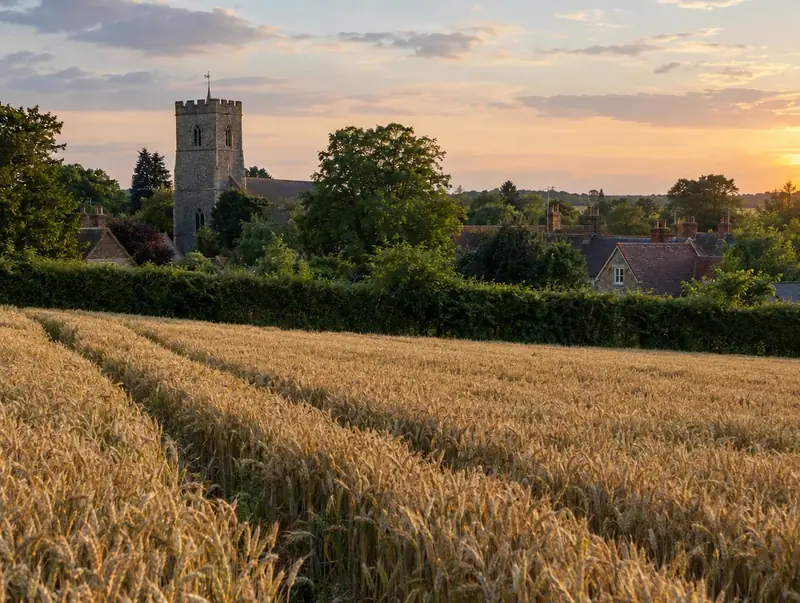 Canning Town · E16
Free site appraisal
Tell us about your land and we will call you back. No cost, no obligation.
Prefer to talk? Call 0800 088 6248.
- Free site appraisalNo cost, no obligation
- Legal fees coveredReasonable fees, on options and promotion
- Nothing to pay upfrontOn promotion: we fund planning
- Direct purchaseSuitable sites, with or without planning
- UK-wideEngland, Wales, Scotland and NI
Selling land around Canning Town
Canning Town (E16) is one of the Greater London towns we cover, about 6 miles east of London. If your land sits between towns, Stratford, Bow and Canary Wharf are the closest neighbouring places on our list. Canning Town is part of England’s London region.
Typical sites we review near Canning Town include brownfield land in and around Canning Town, paddocks on the edge of Canning Town and fields put forward or allocated in the local plan. Planning in Canning Town follows England’s rules: the National Planning Policy Framework sets national policy and the council’s Local Plan sets local policy.
If you own land near Canning Town, the first step is a free, no-obligation appraisal.
How we work in Canning Town
Funding and lender security
Development lenders usually want a first charge over the land. If your land is charged, you need to understand what happens if the project runs into difficulty and what protection the agreement gives you.
Land value agreed first
Your land is valued at the outset so everyone knows what it contributes. That figure often sets an entitlement paid to you before any profit is shared, which is a key protection in most structures.
Clear exit routes
The agreement should cover what happens on completion, if one party wants to leave, or if planning is refused. Clear exit terms protect both sides from being locked into a project that no longer works.
Choice of structure
A joint venture can be purely contractual, a joint venture company or a limited liability partnership. Each handles control, liability, tax and exit differently, and your own advisers should help you choose.
How the rules work in Canning Town
Whether a field or large garden could take homes depends mostly on the council's Local Plan and national policy. Under the National Planning Policy Framework, plans define settlement boundaries, and land just outside Canning Town may still come forward if it is allocated, previously developed or meets evidenced unmet housing need. Smaller housing schemes can also use Permission in Principle, an England-only route that settles location, use and amount first. Our free appraisal explains which route suits your land.
In England, a joint venture scheme still has to meet the Local Plan, the NPPF and, where it applies, biodiversity net gain. Affordable housing is usually secured through a Section 106 agreement, which affects cash flow. If land is transferred into a joint venture company, Stamp Duty Land Tax can arise, and the transfer is registered at HM Land Registry.
| National planning policy | National Planning Policy Framework (NPPF), revised August 2026, with national planning practice guidance |
|---|---|
| Who decides applications | The local planning authority, usually the district, borough, city or unitary council (or a national park authority) |
| Land transaction tax (paid by the buyer) | Stamp Duty Land Tax (SDLT) |
| How a sale becomes binding | A land sale becomes legally binding on exchange of contracts and finishes on completion, after which the buyer registers the title with HM Land Registry. |
Questions about Landowner Joint Ventures in Canning Town
What is a landowner joint venture?
It is an arrangement where a landowner and a developer pool what they have to deliver a development. The landowner usually contributes the land, and the developer contributes expertise, management and access to funding. Instead of a fixed price at the start, the landowner shares in the outcome once homes are sold or let, under agreed terms.
What happens if the joint venture does not get planning?
The agreement should say. Common approaches include ending the venture with each party bearing its own costs, or allowing a revised application within a set period. Make sure you know whether any planning costs could ever be charged to you, and in what circumstances, before you sign.
Do I have to put money into a joint venture?
Not always. In many landowner joint ventures the land is the landowner's whole contribution, while the developer arranges the rest of the funding. Some structures ask both parties to contribute cash. The agreement should state clearly whether any further contribution could ever be required from you, and in what circumstances.
Will a lender take a charge over my land in a joint venture?
Often, yes. Development lenders normally require security, and the land is the main asset. If your land is charged and the project fails, the lender may be able to sell it. Some structures delay transferring or charging the land, so take legal advice on how your interest is protected.
Do you work with landowners in Canning Town?
We do. We work with landowners in Canning Town and elsewhere in Greater London, including Wembley, Purley and Bexley. Send us a postcode and we will start with a free, no-obligation appraisal of what the land could take.
Read more: Landowner Joint Ventures · Guide: Landowner joint ventures explained: sharing in the development