
Landowner Joint Ventures in Campbeltown
A landowner joint venture in Campbeltown is a deal where you contribute the land and Land to Homes brings planning, design, construction and project management. Instead of a one-off price, you share in the outcome once the homes are sold or let, under terms agreed in writing before work begins. It carries more risk than a straight sale.
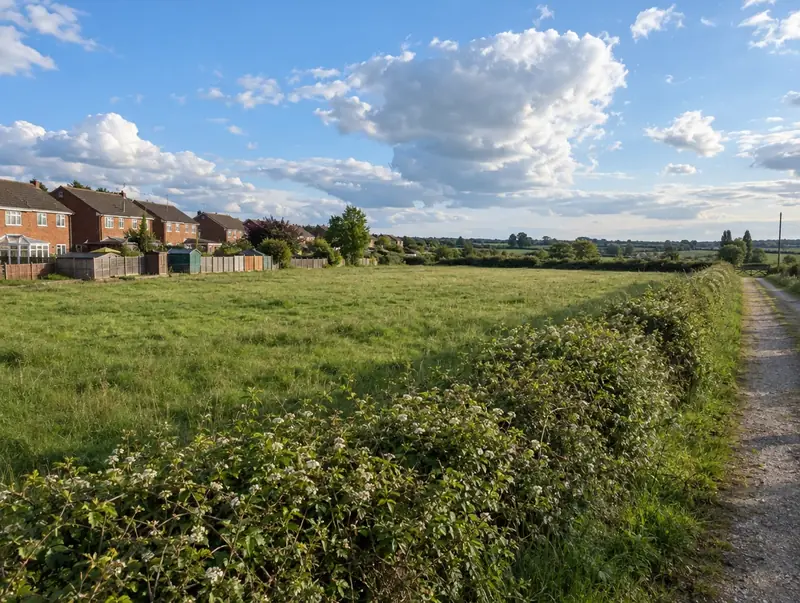 Campbeltown · PA28
Free site appraisal
Tell us about your land and we will call you back. No cost, no obligation.
Prefer to talk? Call 0800 088 6248.
- Free site appraisalNo cost, no obligation
- Legal fees coveredReasonable fees, on options and promotion
- Nothing to pay upfrontOn promotion: we fund planning
- Direct purchaseSuitable sites, with or without planning
- UK-wideEngland, Wales, Scotland and NI
Land and sites near Campbeltown
About 53 miles south-west of Helensburgh, Campbeltown is part of our Argyll & Bute coverage, centred on postcode district PA28. Ayr is the closest neighbouring place we cover, at about 38 miles, followed by Irvine and Stranraer.
Sites worth a conversation around Campbeltown: small holdings and pony paddocks, land behind street frontages and land that already has planning permission. As Campbeltown is in Scotland, applications are judged against National Planning Framework 4, and the buyer of land pays Land and Buildings Transaction Tax (LBTT).
Send us a postcode in or near PA28 and we will start with a free desktop appraisal.
Why work with Land to Homes in Campbeltown
Clear exit routes
The agreement should cover what happens on completion, if one party wants to leave, or if planning is refused. Clear exit terms protect both sides from being locked into a project that no longer works.
Advice before commitment
Joint ventures carry real commercial risk. We always recommend independent legal, tax and valuation advice, and we will say plainly if a straight sale or an option looks like a better fit for you.
Sale or rent agreed together
Homes can be built for sale, for rent, or as affordable housing with a council or housing association. The mix affects risk and when money comes back, so it is agreed before work starts.
Funding and lender security
Development lenders usually want a first charge over the land. If your land is charged, you need to understand what happens if the project runs into difficulty and what protection the agreement gives you.
Planning in Campbeltown: the Scottish rules
If you own land on the edge of Campbeltown, its prospects in Scotland depend largely on the Local Development Plan, which allocates sites for housing, and on NPF4 policies such as those on local living, infrastructure and quality homes. An option or promotion agreement lets a partner fund the planning case while you keep ownership until a sale. With Land to Homes, your reasonable legal fees on these agreements are covered, with the amount agreed in the heads of terms.
In Scotland, land placed in a joint venture is transferred or secured under Scots property law, typically by disposition or standard security registered with Registers of Scotland. Land and Buildings Transaction Tax can apply to transfers. Planning obligations are agreed under Section 75, and new homes need a building warrant before construction starts.
| Who decides applications | The council as planning authority (or a national park authority in its area) |
|---|---|
| In-principle consent | Planning permission in principle (PPP), followed by approval of matters specified in conditions |
| Land transaction tax (paid by the buyer) | Land and Buildings Transaction Tax (LBTT) |
| Land registration | Registers of Scotland (Land Register of Scotland) |
Common questions in Campbeltown
Will a lender take a charge over my land in a joint venture?
Often, yes. Development lenders normally require security, and the land is the main asset. If your land is charged and the project fails, the lender may be able to sell it. Some structures delay transferring or charging the land, so take legal advice on how your interest is protected.
Do I have to put money into a joint venture?
Not always. In many landowner joint ventures the land is the landowner's whole contribution, while the developer arranges the rest of the funding. Some structures ask both parties to contribute cash. The agreement should state clearly whether any further contribution could ever be required from you, and in what circumstances.
What is a landowner joint venture?
It is an arrangement where a landowner and a developer pool what they have to deliver a development. The landowner usually contributes the land, and the developer contributes expertise, management and access to funding. Instead of a fixed price at the start, the landowner shares in the outcome once homes are sold or let, under agreed terms.
Is a joint venture riskier than selling my land?
Usually, yes. A sale gives you a known figure. In a joint venture, what you receive depends on build costs, sales values, funding and timing, all of which can change. If the market falls or costs rise, your share could be less than a straight sale would have achieved, which is why advice before committing matters.
Do you work with landowners in Campbeltown?
We do. We work with landowners in Campbeltown and elsewhere in Argyll & Bute, including Oban, Dunoon and Helensburgh. Send us a postcode and we will start with a free, no-obligation appraisal of what the land could take.
Read more: Landowner Joint Ventures · Guide: Landowner joint ventures explained: sharing in the development