
Sell an Infill Plot in Gloucestershire
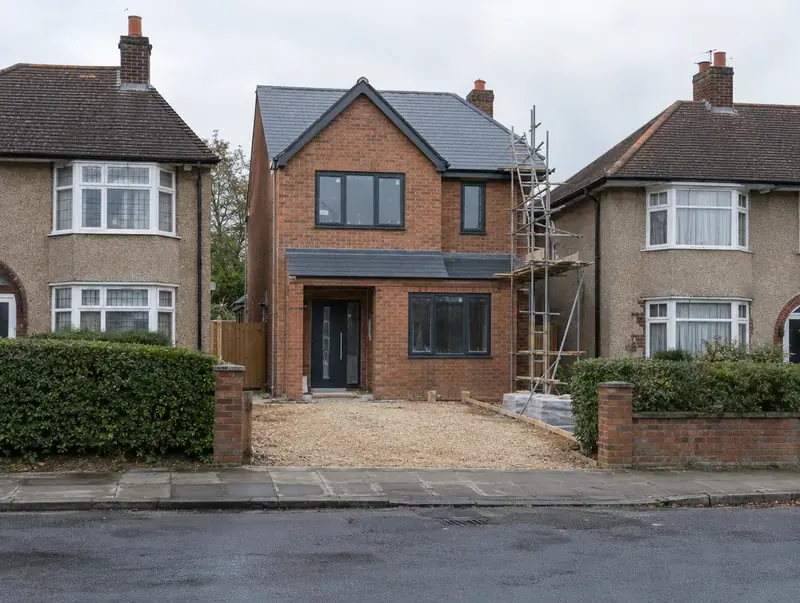
Selling infill land in Gloucestershire turns on three questions: does the gap fit the pattern of the street, are services and access available, and would a new home affect neighbours' light or privacy? Land to Homes checks each one, explains the likely scale of scheme, and puts any offer or terms in writing before you commit.
 Gloucestershire
Free site appraisal
Tell us about your land and we will call you back. No cost, no obligation.
Prefer to talk? Call 0800 088 6248.
- Free site appraisalNo cost, no obligation
- Legal fees coveredReasonable fees, on options and promotion
- Nothing to pay upfrontOn promotion: we fund planning
- Direct purchaseSuitable sites, with or without planning
- UK-wideEngland, Wales, Scotland and NI
Land and sites near Gloucestershire
We cover 8 places across Gloucestershire: Gloucester is the main one, alongside Tewkesbury, Kingswood and Stroud. Neighbouring areas we also cover include Bristol, Wiltshire and Herefordshire. Our Great Barr head office in Birmingham is about 60 miles from the middle of Gloucestershire.
Sites worth a conversation around Gloucestershire: brownfield land in and around Gloucester, fields put forward or allocated in the local plan and former garage blocks and yards. Because Gloucestershire is in England, land titles are registered with HM Land Registry and transfers attract Stamp Duty Land Tax (SDLT).
If you own land near Gloucestershire, the first step is a free, no-obligation appraisal.
Why work with Land to Homes in Gloucestershire
Services and connections
Connecting water, sewers and power to a single plot can be costly where mains are not close by. We check where services run before estimating what the plot could support.
Village infill policies
Some rural policies allow limited infilling within villages even where wider development is restricted. We check whether your plot falls within the exact wording of those rules.
Street scene first
Councils look at the building line, roof heights, plot widths and materials along the street. A new home that follows that pattern has a much better chance of approval than one that ignores it.
Neighbours' light and privacy
Window positions, outlook and daylight to neighbouring homes are tested in planning. We look at how a design could protect them, because this often decides whether infill is approved.
Planning in Gloucestershire: the English rules
Whether a field or large garden could take homes depends mostly on the council's Local Plan and national policy. Under the National Planning Policy Framework, plans define settlement boundaries, and land just outside Gloucestershire may still come forward if it is allocated, previously developed or meets evidenced unmet housing need. Smaller housing schemes can also use Permission in Principle, an England-only route that settles location, use and amount first. Our free appraisal explains which route suits your land.
In England, the NPPF supports small sites and treats limited infilling in villages as an exception within the Green Belt. Smaller schemes can test the principle of housing through Permission in Principle before detailed design. Party wall procedures apply where work affects a shared wall or boundary, and buyers pay Stamp Duty Land Tax.
| National planning policy | National Planning Policy Framework (NPPF), revised August 2026, with national planning practice guidance |
|---|---|
| Local planning document | Local Plan |
| Who decides applications | The local planning authority, usually the district, borough, city or unitary council (or a national park authority) |
| In-principle consent | Outline planning permission, with reserved matters approved later |
| Land transaction tax (paid by the buyer) | Stamp Duty Land Tax (SDLT) |
| Land registration | HM Land Registry |
| How a sale becomes binding | A land sale becomes legally binding on exchange of contracts and finishes on completion, after which the buyer registers the title with HM Land Registry. |
| Developer contributions | Section 106 planning obligations, plus the Community Infrastructure Levy (CIL) where the council charges it |
Your questions answered for Gloucestershire
Is it easier to get planning permission for infill?
Often, because infill makes use of land within a settlement. But councils still refuse infill that harms the character of the street, neighbours' amenity or highway safety. In some rural areas, infill policies are tightly defined, so it pays to check the exact policy wording for your area.
Do my neighbours have a say if I sell an infill plot?
You do not need their permission to sell, but they will be notified when a planning application is made and can comment on it. Early, courteous contact often helps, especially if party walls, shared drives or boundary features such as hedges and fences are involved.
Do infill plots need biodiversity net gain?
In England, recent changes exempt many very small sites from biodiversity net gain, subject to conditions, and other exemptions may apply. Wales, Scotland and Northern Ireland take different approaches to biodiversity in planning. Check the current rules with your council or a planning consultant before you apply.
What is an infill plot?
An infill plot is a gap within an existing line of buildings, such as a space between two houses or at the end of a terrace, where a new home would continue the street rather than extend into open land. Exact definitions vary between councils, and rural policies often define infill more narrowly.
Is Gloucestershire an area you cover for land?
Yes, we cover land across Gloucestershire, including Gloucester, Stroud and Cheltenham. Where a site suits us we can buy it directly, or set up an option or promotion agreement. On promotion there is nothing to pay upfront.
Read more: Sell an Infill Plot · Guide: Selling part of your garden: what you need to know