
Sell Garden Land and Backland in Highlands & Islands
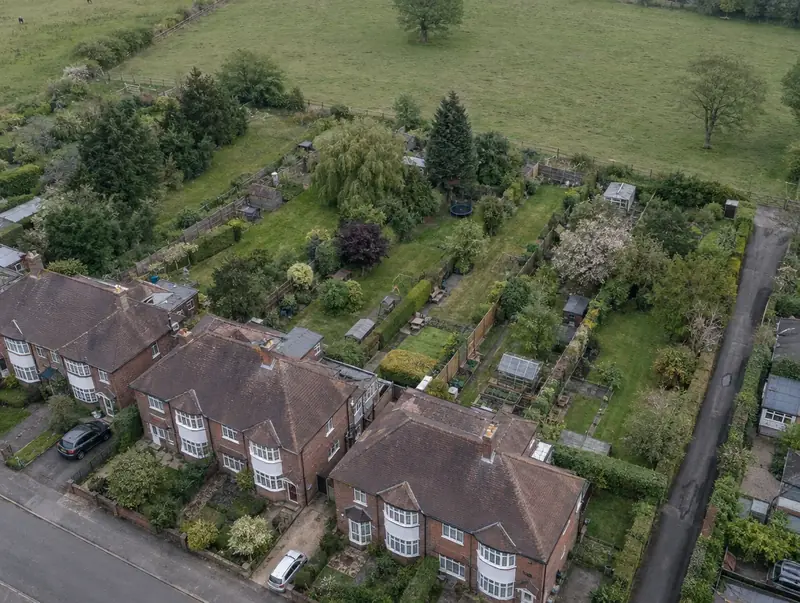
Backland sites in Highlands & Islands often stretch across several gardens, so the strongest schemes involve neighbours working together. Land to Homes can buy a single plot directly, subject to survey, title and contract, or bring adjoining owners into one deal with a fair way of sharing proceeds, so a single shared access serves everyone.
 Highlands & Islands
Free site appraisal
Tell us about your land and we will call you back. No cost, no obligation.
Prefer to talk? Call 0800 088 6248.
- Free site appraisalNo cost, no obligation
- Legal fees coveredReasonable fees, on options and promotion
- Nothing to pay upfrontOn promotion: we fund planning
- Direct purchaseSuitable sites, with or without planning
- UK-wideEngland, Wales, Scotland and NI
Selling land around Highlands & Islands
Our Highlands & Islands coverage takes in 6 towns and cities, centred on Inverness and including Lerwick, Thurso and Stornoway. If your land is near a boundary, we also cover Moray, Aberdeen & Aberdeenshire and Angus & Dundee.
Typical sites we review near Highlands & Islands include redundant commercial buildings, land that already has planning permission and corner plots and side gardens. Because Highlands & Islands is in Scotland, land titles are registered with Registers of Scotland (Land Register of Scotland) and transfers attract Land and Buildings Transaction Tax (LBTT).
A postcode and a rough boundary are enough for us to start a free appraisal of land near Highlands & Islands.
What we offer in Highlands & Islands
Neighbours can combine
Where several gardens adjoin, a joint scheme with one shared access is often more workable than separate plots. A collaboration agreement can share proceeds fairly between the owners involved.
Your retained house matters
Selling part of a garden changes the house you keep: outside space, parking, privacy and value. We look at any scheme from your side as well as from the buyer's.
Covenants and title
Older titles often include restrictive covenants limiting building. Depending on the nation and the facts, a release, indemnity insurance or an application to modify the covenant may be possible.
Mortgage lender consent
If your house is mortgaged, the lender's charge usually covers the whole garden. You will normally need the lender to release the part being sold, which your solicitor arranges as part of the sale.
How the rules work in Highlands & Islands
Land sales in Scotland are concluded through missives, an exchange of formal letters between solicitors. Once missives are concluded they form a binding contract, and the buyer takes entry at settlement, then registers the title with Registers of Scotland. For land near Highlands & Islands, missives can be made conditional on planning permission in principle, so the sale only proceeds if consent is secured. The buyer pays Land and Buildings Transaction Tax to Revenue Scotland.
In Scotland, restrictions on building are usually real burdens, also called title conditions, rather than covenants, and the Lands Tribunal for Scotland can discharge or vary them. Garden plots are often consented through planning permission in principle first. A building warrant is needed before work starts, and the buyer pays Land and Buildings Transaction Tax.
| National planning policy | National Planning Framework 4 (NPF4), which forms part of the statutory development plan |
|---|---|
| Local planning document | Local Development Plan (LDP) |
| Who decides applications | The council as planning authority (or a national park authority in its area) |
| In-principle consent | Planning permission in principle (PPP), followed by approval of matters specified in conditions |
| Land transaction tax (paid by the buyer) | Land and Buildings Transaction Tax (LBTT) |
| Land registration | Registers of Scotland (Land Register of Scotland) |
| How a sale becomes binding | Land sales are concluded through missives, formal letters exchanged between solicitors that become a binding contract once concluded, followed by settlement on the date of entry and registration in the Land Register of Scotland. |
| Developer contributions | Section 75 planning obligations, with Section 69 agreements sometimes used for simple one-off payments |
Your questions answered for Highlands & Islands
What is backland development?
Backland development means building homes on land behind an existing row of houses, usually reached by a new access running between them. Many councils have specific policy on it, focused on access, privacy, the character of the area and avoiding piecemeal schemes that would block a better-planned layout later.
What is tandem development?
Tandem development is a new house placed directly behind an existing one, sharing or running alongside the same access. Councils often resist it because of noise and disturbance from cars passing the front house and overlooking between the two. A wider plot with its own access is usually viewed more positively.
What if my title has a covenant against building?
A restrictive covenant can prevent or limit new homes even when planning permission is granted. Options include negotiating a release with whoever benefits from it, indemnity insurance where enforcement looks unlikely, or applying to the relevant tribunal to modify or discharge it. Take legal advice early, because it affects any buyer.
Do I pay Capital Gains Tax when I sell garden land?
Possibly. Private Residence Relief can cover part of a garden in some circumstances, but the size of the garden and the order and timing of sales can affect it. Selling the garden after you have sold the house, for example, may change the position. Speak to an accountant before agreeing terms.
Do you work with landowners in Highlands & Islands?
We do. We work with landowners across Highlands & Islands, including Inverness, Kirkwall and Fort William. Send us a postcode and we will start with a free, no-obligation appraisal of what the land could take.
Read more: Sell Garden Land and Backland · Guide: Overage and clawback: how they work when you sell land