
Sell Garden Land and Backland in Plymstock
Garden land and backland in Plymstock means plots taken from large gardens or land sitting behind existing houses, often with no road frontage of its own. It can take one home or a small group, but only if there is safe access and the new homes would not harm neighbours' privacy or the character of the street. We assess both first.
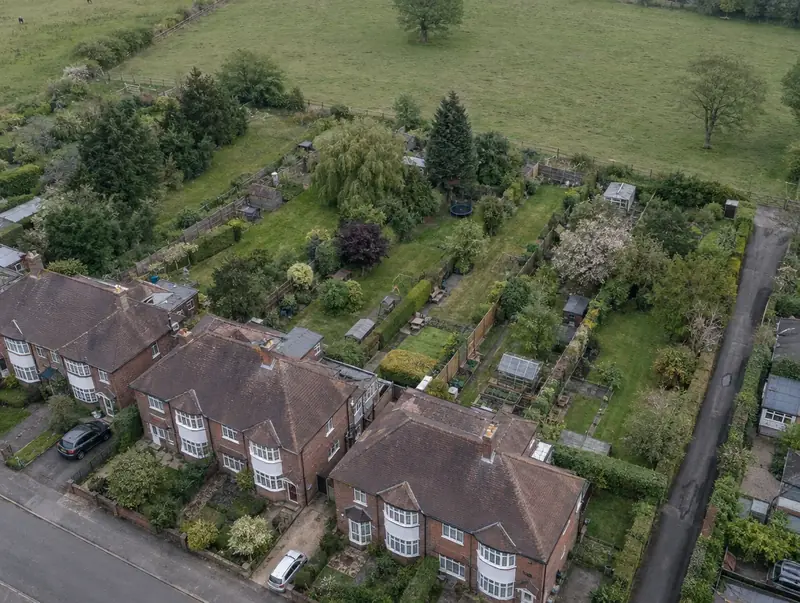 Plymstock · PL9
Free site appraisal
Tell us about your land and we will call you back. No cost, no obligation.
Prefer to talk? Call 0800 088 6248.
- Free site appraisalNo cost, no obligation
- Legal fees coveredReasonable fees, on options and promotion
- Nothing to pay upfrontOn promotion: we fund planning
- Direct purchaseSuitable sites, with or without planning
- UK-wideEngland, Wales, Scotland and NI
Land and sites near Plymstock
In Devon, Plymstock lies about 2 miles east of Plymouth; its central postcode district is PL9. The nearest other places we cover are Plymouth (2 miles), Launceston (23 miles) and Paignton (24 miles). Plymstock is part of England’s South West region.
Around Plymstock we look at land that already has planning permission, fields put forward or allocated in the local plan and land behind street frontages. In England, where Plymstock sits, planning decisions are made by the local planning authority, usually the district, borough, city or unitary council (or a national park authority).
Tell us where your land is around Plymstock and we will explain the routes open to you.
Our approach in Plymstock
Covenants and title
Older titles often include restrictive covenants limiting building. Depending on the nation and the facts, a release, indemnity insurance or an application to modify the covenant may be possible.
Your retained house matters
Selling part of a garden changes the house you keep: outside space, parking, privacy and value. We look at any scheme from your side as well as from the buyer's.
Neighbour impact assessed
Councils look at overlooking, loss of light, noise from a new drive and whether the plot is in keeping with the area. We assess these early, because they are common reasons for refusal.
Trees and ecology checked
Mature gardens can hold protected trees, bats in outbuildings or nesting birds. We check tree preservation orders and conservation area status, and plan any surveys for the right season.
Planning and land rules in Plymstock
Selling development land in Plymstock usually starts with heads of terms, a short written summary of price, conditions and fees, before solicitors draft the contract. In England the sale becomes binding on exchange of contracts and finishes on completion, with the title then registered at HM Land Registry. The buyer normally pays Stamp Duty Land Tax. On option and promotion agreements with Land to Homes, your reasonable legal fees are covered, with the amount agreed in the heads of terms.
In England, the NPPF excludes private residential gardens in built-up areas from its definition of previously developed land, and many Local Plans have specific garden development policies. Recent changes exempt many very small sites from biodiversity net gain, subject to conditions. Restrictive covenants can be modified or discharged by the Upper Tribunal (Lands Chamber).
| Local planning document | Local Plan |
|---|---|
| Who decides applications | The local planning authority, usually the district, borough, city or unitary council (or a national park authority) |
| Land transaction tax (paid by the buyer) | Stamp Duty Land Tax (SDLT) |
| How a sale becomes binding | A land sale becomes legally binding on exchange of contracts and finishes on completion, after which the buyer registers the title with HM Land Registry. |
Questions about Sell Garden Land and Backland in Plymstock
What is backland development?
Backland development means building homes on land behind an existing row of houses, usually reached by a new access running between them. Many councils have specific policy on it, focused on access, privacy, the character of the area and avoiding piecemeal schemes that would block a better-planned layout later.
What is tandem development?
Tandem development is a new house placed directly behind an existing one, sharing or running alongside the same access. Councils often resist it because of noise and disturbance from cars passing the front house and overlooking between the two. A wider plot with its own access is usually viewed more positively.
Should I team up with my neighbours to sell garden land?
Often it helps. Several gardens together can support a better-planned scheme with one shared access, which councils tend to prefer to separate plots. A collaboration agreement sets out how proceeds are shared, usually by area, so no one loses out because of where the access road happens to go.
What if my title has a covenant against building?
A restrictive covenant can prevent or limit new homes even when planning permission is granted. Options include negotiating a release with whoever benefits from it, indemnity insurance where enforcement looks unlikely, or applying to the relevant tribunal to modify or discharge it. Take legal advice early, because it affects any buyer.
Do you work with landowners in Plymstock?
We do. We work with landowners in Plymstock and elsewhere in Devon, including Barnstaple, Tiverton and Bideford. Send us a postcode and we will start with a free, no-obligation appraisal of what the land could take.
Read more: Sell Garden Land and Backland · Guide: Overage and clawback: how they work when you sell land