
Sell Farmland and Paddocks in Lincolnshire
Selling farmland or paddocks in Lincolnshire for development usually means land on the edge of a town or village that could take new homes once planning policy allows. Value depends heavily on planning prospects, so many deals are options or promotion agreements that let you keep farming until permission is granted and the land is sold.
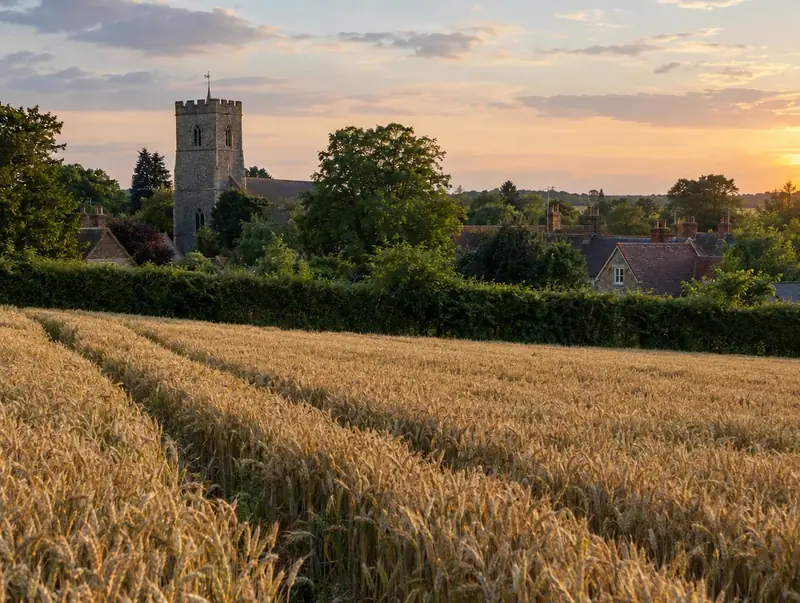 Lincolnshire
Free site appraisal
Tell us about your land and we will call you back. No cost, no obligation.
Prefer to talk? Call 0800 088 6248.
- Free site appraisalNo cost, no obligation
- Legal fees coveredReasonable fees, on options and promotion
- Nothing to pay upfrontOn promotion: we fund planning
- Direct purchaseSuitable sites, with or without planning
- UK-wideEngland, Wales, Scotland and NI
Selling land around Lincolnshire
Our Lincolnshire coverage takes in 10 towns and cities, centred on Lincoln and including Cleethorpes, Grimsby and Spalding. Neighbouring areas we also cover include Nottinghamshire, Rutland and East Riding of Yorkshire.
In and around Lincolnshire, the land we appraise ranges from land behind street frontages to large and long rear gardens, including paddocks on the edge of Lincoln. In England, where Lincolnshire sits, planning decisions are made by the local planning authority, usually the district, borough, city or unitary council (or a national park authority).
If you own land near Lincolnshire, the first step is a free, no-obligation appraisal.
How we work in Lincolnshire
Edge-of-settlement focus
Fields that adjoin existing homes, roads and services have the strongest planning prospects. Isolated fields deep in open countryside rarely suit housing, and if that applies to yours, we will say so.
Keep farming meanwhile
Under an option or promotion agreement, you normally stay in possession and keep farming or grazing until the land is sold, subject to access for surveys and agreed notice periods.
Overage on paddock sales
If you sell a paddock at its current value, an overage clause can secure a further payment if planning is later granted. We explain triggers, duration and how the obligation is secured.
Fees covered on options
On option and promotion agreements we pay your reasonable legal fees, with the amount agreed up front in the heads of terms, so specialist rural legal advice is within reach.
How the rules work in Lincolnshire
Selling development land in Lincolnshire usually starts with heads of terms, a short written summary of price, conditions and fees, before solicitors draft the contract. In England the sale becomes binding on exchange of contracts and finishes on completion, with the title then registered at HM Land Registry. The buyer normally pays Stamp Duty Land Tax. On option and promotion agreements with Land to Homes, your reasonable legal fees are covered, with the amount agreed in the heads of terms.
In England, the NPPF asks councils to take account of the value of higher-quality farmland, and Local Plans set settlement boundaries. Agricultural tenancies may fall under the Agricultural Holdings Act 1986 or be farm business tenancies, each with its own rules. Land in Environmental Land Management or Countryside Stewardship agreements needs checking before it is taken out.
| National planning policy | National Planning Policy Framework (NPPF), revised August 2026, with national planning practice guidance |
|---|---|
| Local planning document | Local Plan |
| Who decides applications | The local planning authority, usually the district, borough, city or unitary council (or a national park authority) |
| In-principle consent | Outline planning permission, with reserved matters approved later |
| Land transaction tax (paid by the buyer) | Stamp Duty Land Tax (SDLT) |
| Land registration | HM Land Registry |
| How a sale becomes binding | A land sale becomes legally binding on exchange of contracts and finishes on completion, after which the buyer registers the title with HM Land Registry. |
| Developer contributions | Section 106 planning obligations, plus the Community Infrastructure Levy (CIL) where the council charges it |
Sell Farmland and Paddocks in Lincolnshire: questions
Will selling farmland affect my inheritance tax reliefs?
It may. Reliefs for agricultural and business property depend on how the land is used and held, and selling land or holding cash instead can change the position. These rules have changed recently, so speak to an accountant or tax adviser before agreeing terms.
What happens to my tenant farmer if I sell for development?
It depends on the tenancy. Some older agricultural tenancies give tenants strong security, while newer tenancies and grazing licences are usually more flexible. Planning permission for a non-agricultural use can sometimes support ending a tenancy, but the rules are technical and specialist advice is essential. We factor the tenancy into any deal.
Can I sell a paddock for housing?
Often, if it sits within or next to a settlement and has safe road access. Paddocks behind existing homes are common development sites. Those in open countryside, or with poor access, rarely get permission. We check the development plan and site constraints before suggesting any route or deal structure.
How long does it take to get planning on farmland?
There is no set timescale. A field allocated in a development plan can move to an application relatively directly, while unallocated land may need to wait for the next plan review. That is why options and promotion agreements on farmland usually run over a defined term with a longstop date.
Do you work with landowners in Lincolnshire?
We do. We work with landowners across Lincolnshire, including Stamford, Cleethorpes and Scunthorpe. Send us a postcode and we will start with a free, no-obligation appraisal of what the land could take.
Read more: Sell Farmland and Paddocks · Guide: Green Belt and grey belt land explained