
Sell a Building for Conversion in Whitstable
Selling a building for conversion in Whitstable means selling an existing structure, such as an office, shop, pub, chapel, barn or light industrial unit, to a buyer who will turn it into homes. Its value depends on the planning route, how well the building converts, and costs such as fire safety, insulation, daylight and parking.
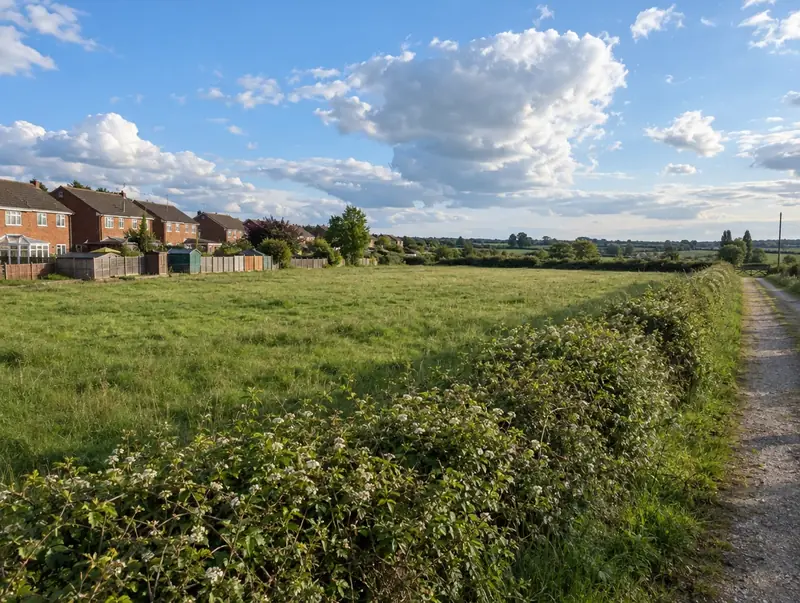 Whitstable · CT5
Free site appraisal
Tell us about your land and we will call you back. No cost, no obligation.
Prefer to talk? Call 0800 088 6248.
- Free site appraisalNo cost, no obligation
- Legal fees coveredReasonable fees, on options and promotion
- Nothing to pay upfrontOn promotion: we fund planning
- Direct purchaseSuitable sites, with or without planning
- UK-wideEngland, Wales, Scotland and NI
Land we look at around Whitstable
Whitstable sits about 23 miles east of Maidstone in Kent, in the CT5 postcode district. Close by, our coverage also takes in Herne Bay, Canterbury and Faversham. Within England, Whitstable falls in the South East region.
Sites worth a conversation around Whitstable: backland plots with a workable access, farmland next to the settlement boundary and paddocks on the edge of Whitstable. Planning in Whitstable follows England’s rules: the National Planning Policy Framework sets national policy and the council’s Local Plan sets local policy.
Send us a postcode in or near CT5 and we will start with a free desktop appraisal.
How we work in Whitstable
Heritage handled carefully
Listed buildings need listed building consent for most changes, and conservation areas add design controls. Historic chapels and barns can still convert well when their character is respected.
Class MA in England
In England, Class MA allows many buildings in commercial, business and service use to become homes through prior approval, covering matters such as transport, flooding, noise and natural light. Councils can remove it locally through Article 4 directions.
Class Q for barns
In England, Class Q can allow some agricultural buildings to become homes through prior approval, subject to limits and exclusions. The building generally needs to be capable of conversion without amounting to a rebuild.
Planning route identified
We check whether permitted development with prior approval could apply, or whether a full application, and possibly listed building consent, is needed. The route shapes cost, risk and value.
How the rules work in Whitstable
Whether a field or large garden could take homes depends mostly on the council's Local Plan and national policy. Under the National Planning Policy Framework, plans define settlement boundaries, and land just outside Whitstable may still come forward if it is allocated, previously developed or meets evidenced unmet housing need. Smaller housing schemes can also use Permission in Principle, an England-only route that settles location, use and amount first. Our free appraisal explains which route suits your land.
In England, Class MA allows many buildings in commercial, business and service use to convert to homes through prior approval, and Class Q covers some agricultural buildings. These rights are England-only, carry conditions and exclusions, and can be removed locally by Article 4 directions. New homes must meet national space standards, and pubs need full planning permission.
| Local planning document | Local Plan |
|---|---|
| Land transaction tax (paid by the buyer) | Stamp Duty Land Tax (SDLT) |
| How a sale becomes binding | A land sale becomes legally binding on exchange of contracts and finishes on completion, after which the buyer registers the title with HM Land Registry. |
| Developer contributions | Section 106 planning obligations, plus the Community Infrastructure Levy (CIL) where the council charges it |
Common questions in Whitstable
What is Class Q permitted development?
Class Q is an England-only right that can allow agricultural buildings to become homes through prior approval, subject to limits on numbers and floor space and exclusions for listed buildings and some protected areas. The building must be suitable for conversion rather than needing substantial rebuilding. Scotland has a separate, narrower right of its own.
Will VAT be charged when I sell my commercial building?
It may be, if you have opted to tax it. However, a buyer who intends to convert the building into homes can, in many cases, give you a certificate that disapplies the option to tax. The rules are technical, so ask your accountant before agreeing terms.
Can I sell the space above my shop and keep trading below?
Often, yes. Upper floors above shops can be converted separately, subject to planning, a separate entrance and fire separation between the shop and the homes. A sale may involve splitting the title or granting a long lease of the upper parts. Your solicitor will advise on the right structure.
What is an asset of community value?
In England, a community group can ask the council to list a building such as a pub or hall as an asset of community value. If a listed asset is put up for sale, a moratorium can give community groups a chance to bid, but it does not force you to sell to them. Scotland has its own community right to buy.
Do you buy land in Whitstable?
Yes. Land to Homes looks at land in Whitstable and elsewhere in Kent, including Ashford (Kent), Deal and Herne Bay. Every enquiry starts with a free site appraisal, and on option and promotion agreements we pay your reasonable legal fees.
Read more: Sell a Building for Conversion · Guide: Biodiversity net gain for landowners: what it means for your land