
Sell a Building for Conversion in Paisley
In England, some offices, shops and barns can become homes through permitted development with prior approval rather than a full planning application. Wales, Scotland and Northern Ireland have different rules. Land to Homes checks which route applies to your building in Paisley and whether its structure, layout and daylight can produce good homes.
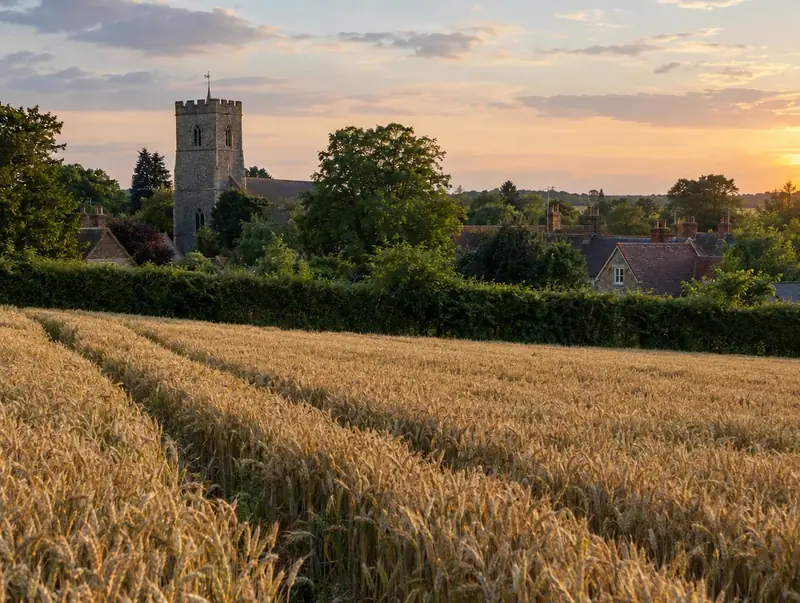 Paisley · PA1
Free site appraisal
Tell us about your land and we will call you back. No cost, no obligation.
Prefer to talk? Call 0800 088 6248.
- Free site appraisalNo cost, no obligation
- Legal fees coveredReasonable fees, on options and promotion
- Nothing to pay upfrontOn promotion: we fund planning
- Direct purchaseSuitable sites, with or without planning
- UK-wideEngland, Wales, Scotland and NI
Land we look at around Paisley
In Glasgow & the Clyde, Paisley lies about 7 miles west of Glasgow; its central postcode district is PA1. The nearest other places we cover are Renfrew (3 miles), Clydebank (5 miles) and Newton Mearns (6 miles).
In and around Paisley, the land we appraise ranges from backland plots with a workable access to large and long rear gardens, including redundant commercial buildings. In Scotland, where Paisley sits, planning decisions are made by the council as planning authority (or a national park authority in its area).
Send us a postcode in or near PA1 and we will start with a free desktop appraisal.
What we offer in Paisley
Pubs and chapels
Pubs, chapels and community halls do not usually benefit from these rights and need full planning permission. Councils often ask for evidence that the existing use is no longer viable or needed.
Light, depth and layout
Deep office floors and small windows can make poor homes. Habitable rooms need adequate natural light, so we test whether the building can provide good layouts before making an offer.
Heritage handled carefully
Listed buildings need listed building consent for most changes, and conservation areas add design controls. Historic chapels and barns can still convert well when their character is respected.
Planning route identified
We check whether permitted development with prior approval could apply, or whether a full application, and possibly listed building consent, is needed. The route shapes cost, risk and value.
The Scottish system, as it applies in Paisley
If you own land on the edge of Paisley, its prospects in Scotland depend largely on the Local Development Plan, which allocates sites for housing, and on NPF4 policies such as those on local living, infrastructure and quality homes. An option or promotion agreement lets a partner fund the planning case while you keep ownership until a sale. With Land to Homes, your reasonable legal fees on these agreements are covered, with the amount agreed in the heads of terms.
Class MA and Class Q do not apply in Scotland. Scotland has its own, narrower permitted development right for converting some agricultural and forestry buildings to homes, with prior approval and limits. Most other conversions need full planning permission, plus listed building consent where relevant and a building warrant. Land and Buildings Transaction Tax applies.
| National planning policy | National Planning Framework 4 (NPF4), which forms part of the statutory development plan |
|---|---|
| In-principle consent | Planning permission in principle (PPP), followed by approval of matters specified in conditions |
| How a sale becomes binding | Land sales are concluded through missives, formal letters exchanged between solicitors that become a binding contract once concluded, followed by settlement on the date of entry and registration in the Land Register of Scotland. |
| Developer contributions | Section 75 planning obligations, with Section 69 agreements sometimes used for simple one-off payments |
Common questions in Paisley
Can I sell the space above my shop and keep trading below?
Often, yes. Upper floors above shops can be converted separately, subject to planning, a separate entrance and fire separation between the shop and the homes. A sale may involve splitting the title or granting a long lease of the upper parts. Your solicitor will advise on the right structure.
Do pubs need planning permission to convert to homes?
Yes, in most cases. In England, pubs no longer have permitted development rights to change to housing, so a full planning application is needed, and councils usually look for evidence that the pub is no longer viable. Wales, Scotland and Northern Ireland also normally require full planning permission.
Will VAT be charged when I sell my commercial building?
It may be, if you have opted to tax it. However, a buyer who intends to convert the building into homes can, in many cases, give you a certificate that disapplies the option to tax. The rules are technical, so ask your accountant before agreeing terms.
Can a chapel or church be converted into homes?
Often, yes, with full planning permission, and listed building consent if it is listed. A buyer will check the title for covenants imposed by the original religious body, any burial ground, and access. Many chapels convert well because of their volume and tall windows, but parking and neighbours need care.
Is Paisley an area you cover for land?
Yes, we cover land in Paisley and elsewhere in Glasgow & the Clyde, including Glasgow, Clydebank and Newton Mearns. Where a site suits us we can buy it directly, or set up an option or promotion agreement. On promotion there is nothing to pay upfront.
Read more: Sell a Building for Conversion · Guide: Ransom strips and access: what landowners need to know